


Magnesium Vs CBD
Lets talk CBD and Magnesium
What's the difference between magnesium and CBD?

CBD and magnesium can both be wonderful additions to massage, but they work differently.
CBD (cannabidiol) is a plant compound that interacts with the body’s endocannabinoid system and is commonly used to help soothe areas of muscle and joint discomfort. It may promote a calming, relaxing experience and can be especially appealing after exercise or when muscles feel overworked.
Pros: soothing, relaxing, and useful for targeted areas, anti-inflammatory properties.
Cons: evidence for topical CBD’s effects on pain and muscle recovery is still limited, and product quality can vary.
Magnesium is a mineral involved in hundreds of processes throughout the body, including normal muscle and nerve function. It plays an important role in the nervous system and helps support normal muscle contraction and relaxation, making magnesium-based massage products popular after exercise or when the body feels tense and fatigued. A massage with magnesium can provide a calming, restorative experience while moisturizing the skin when combined with nourishing butters or oils.
Pros: supports normal nerve and muscle function, complements relaxation and post-exercise recovery, and can be soothing for tired muscles.
Cons: topical magnesium may cause tingling, stinging (on freshly shaved legs or cuts), or dryness in some people with sensitive skin, and evidence that enough magnesium is absorbed through the skin to correct a deficiency is limited, topical magnesium should not be used as a supplement.
Both promote a healthy nervous system and can be soothing to skin when paired with botanicals like oils, Arnica, or butters. Both provide a cherry on top to your treatment if. You can't go wrong with either one. There are so many fun and helpful options for enhancements during massage, the hard part is deciding which one is right for you.
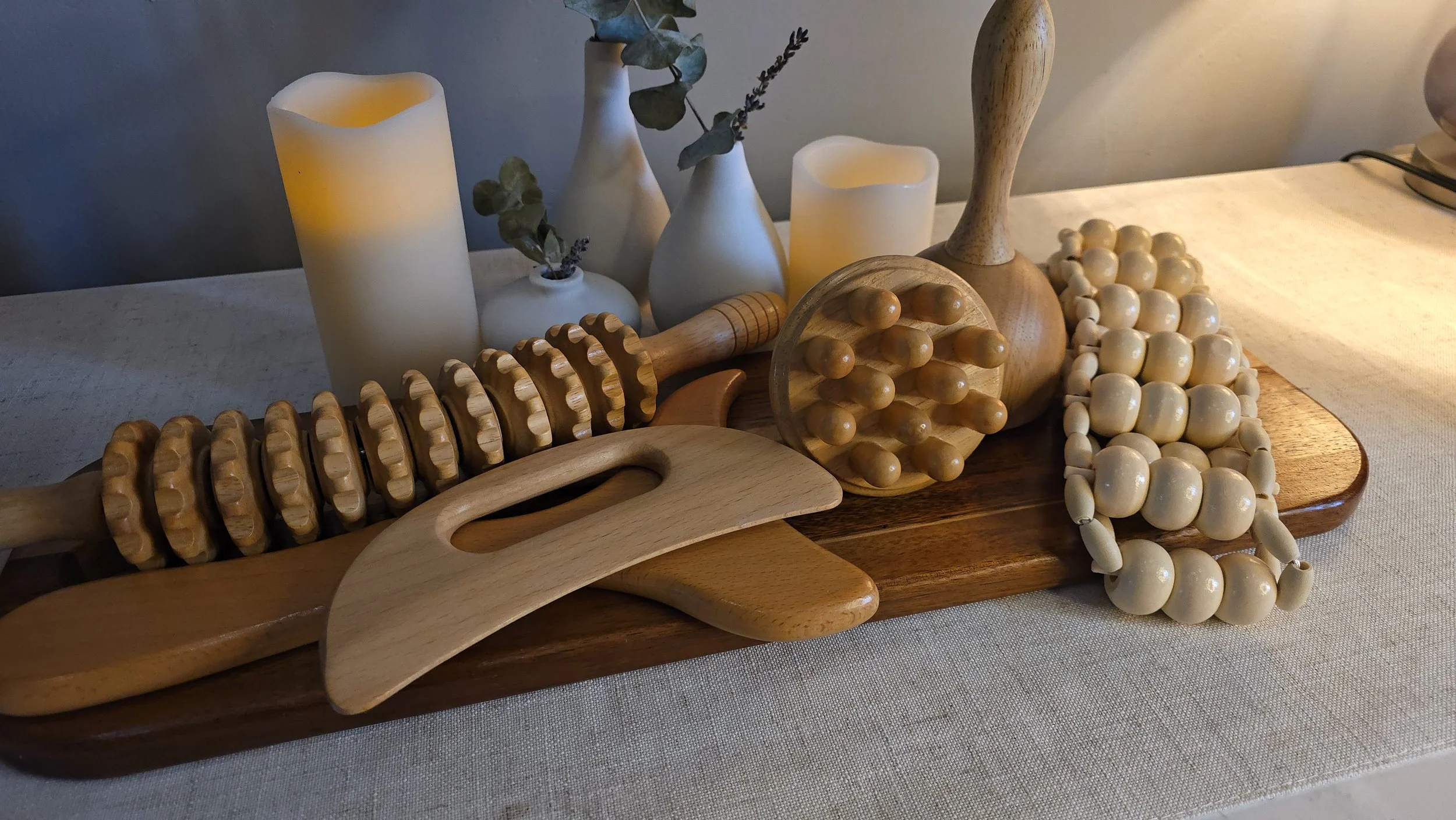
Fascia blasting
Why is Fascia Blasting so popular?
Why Everyone Is Talking About Fascia Blasting
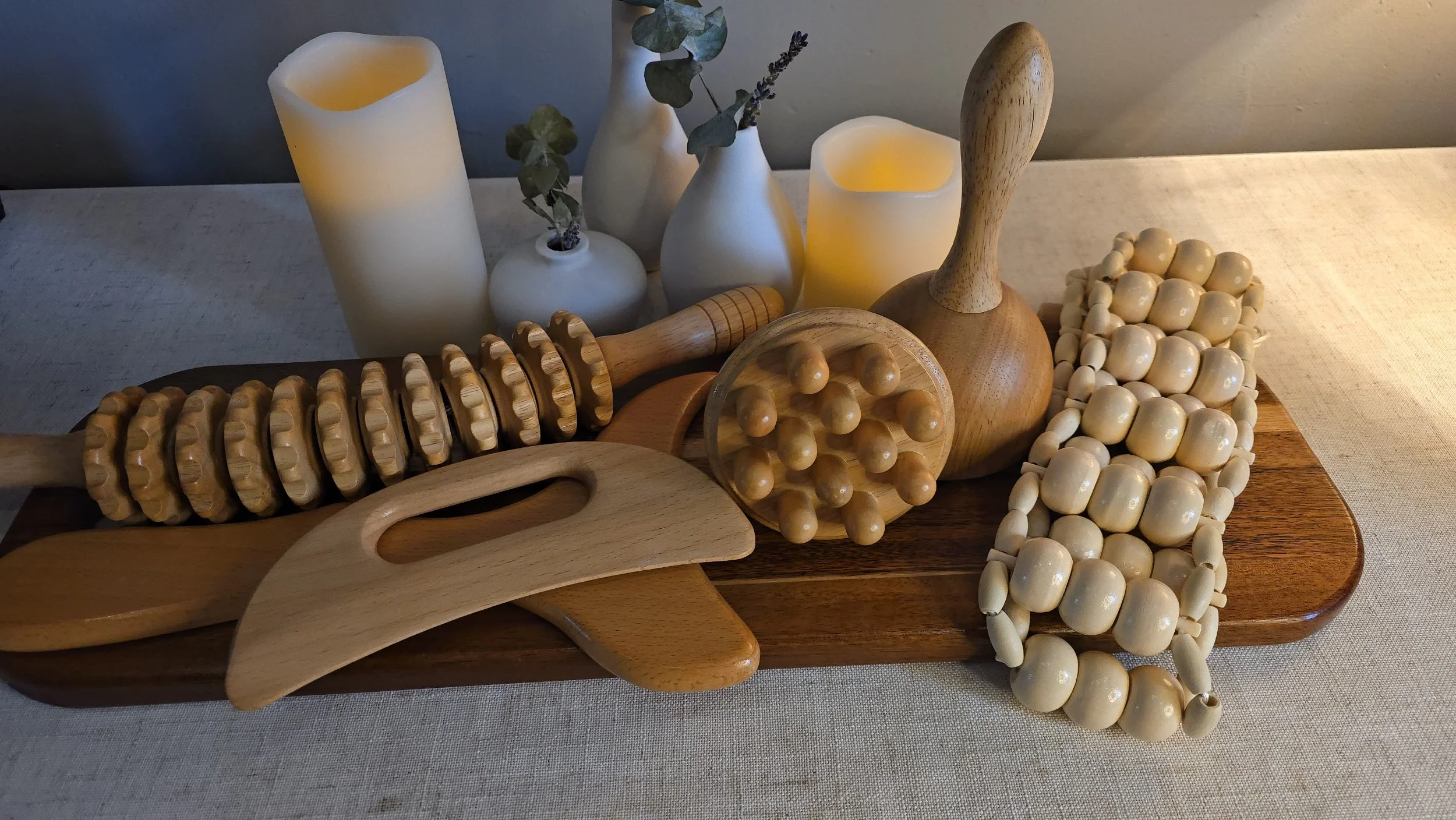
Have you ever finished a massage or body treatment and felt lighter, less puffy, and noticed your skin had a healthy glow? That's one reason fascia blasting has become so popular!
Fascia is a thin web of connective tissue that surrounds every muscle in your body. Over time, it can become tight from stress, repetitive movement, or inactivity. Gentle fascia work helps encourage this tissue to move more freely, leaving many people feeling looser and more flexible.
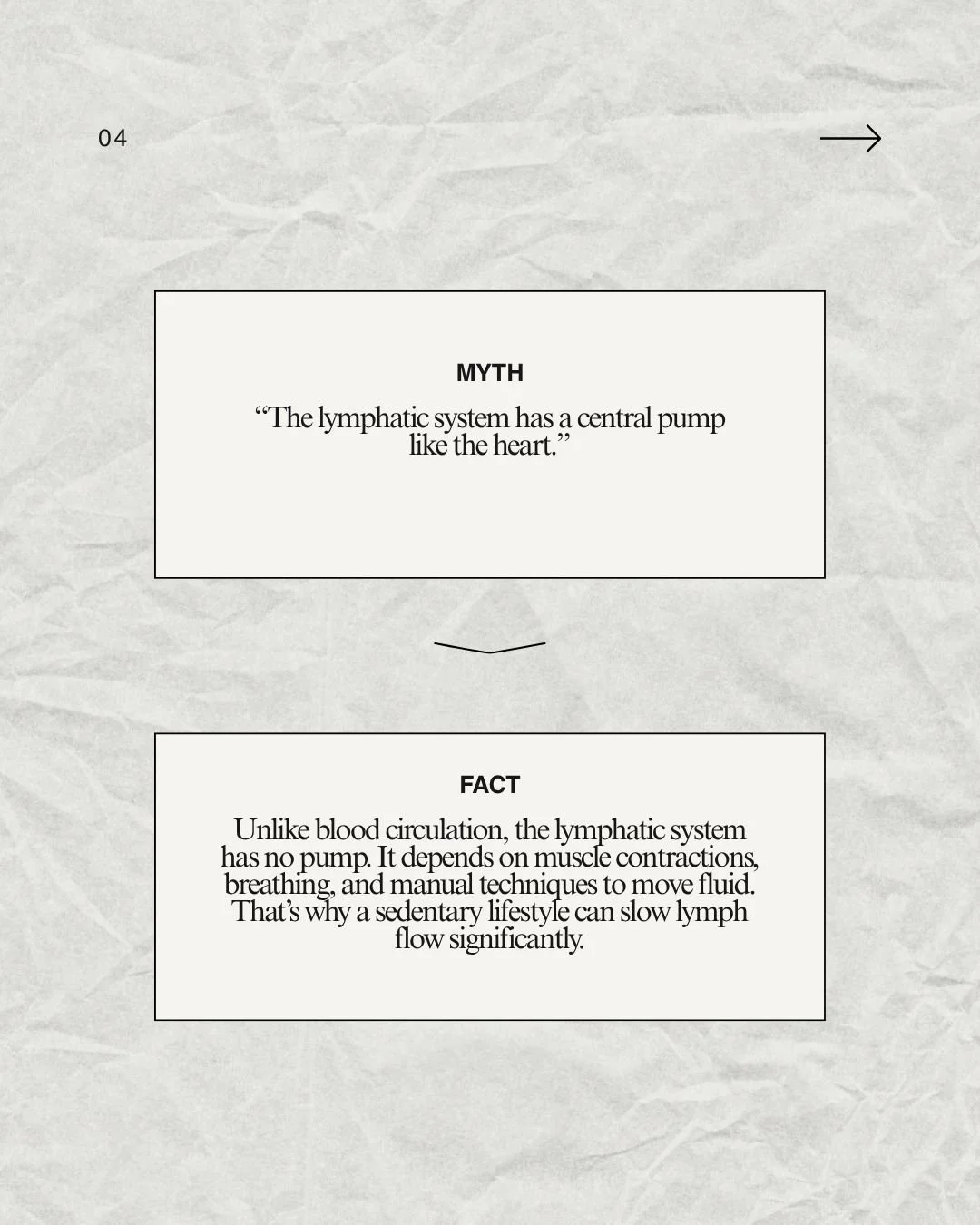
Here's something fascinating—your lymphatic system doesn't have a pump like your heart. It depends on movement, deep breathing, and massage to keep lymph fluid flowing. Gentle fascia blasting may help encourage this natural movement, which can temporarily reduce puffiness and leave you feeling refreshed.
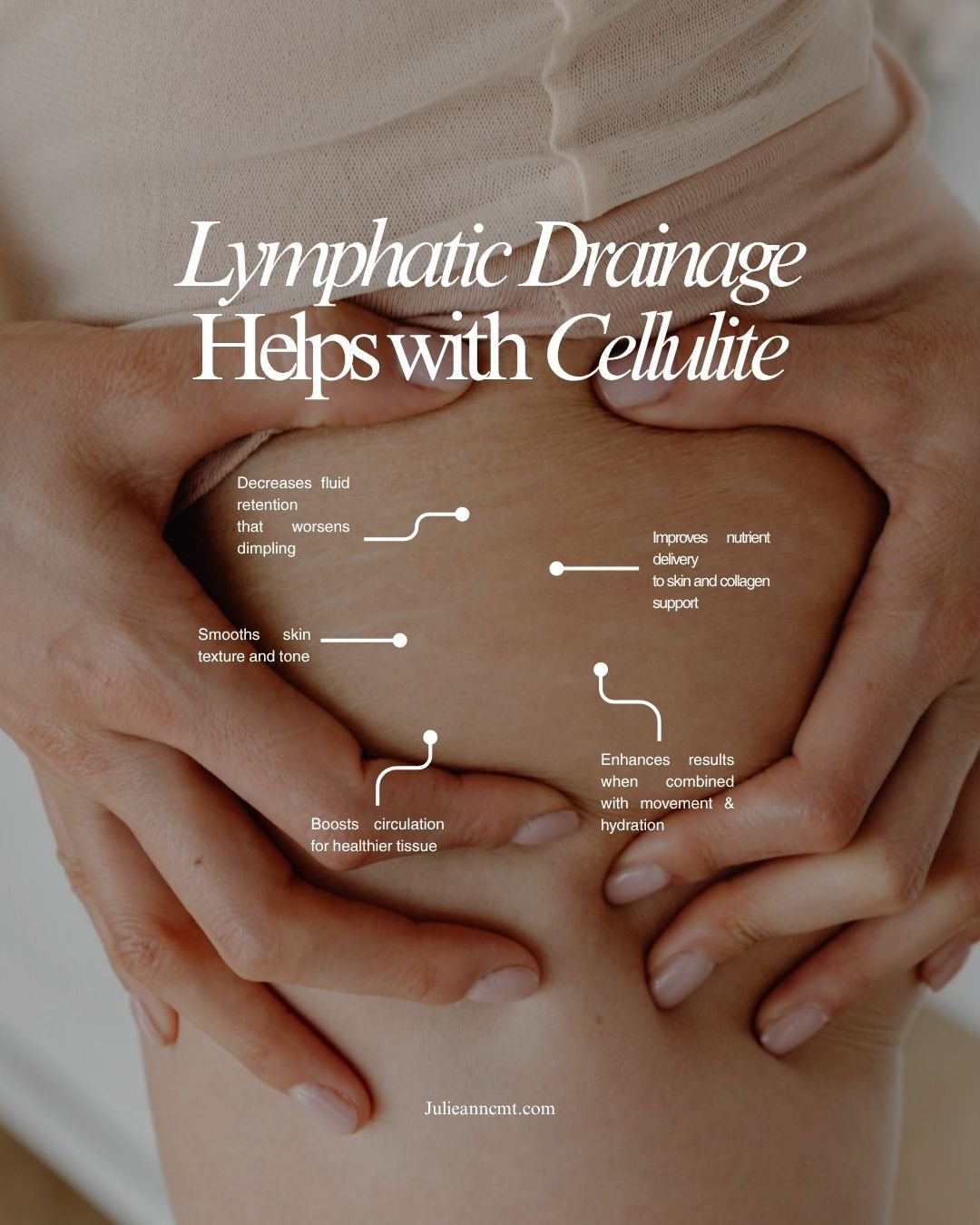
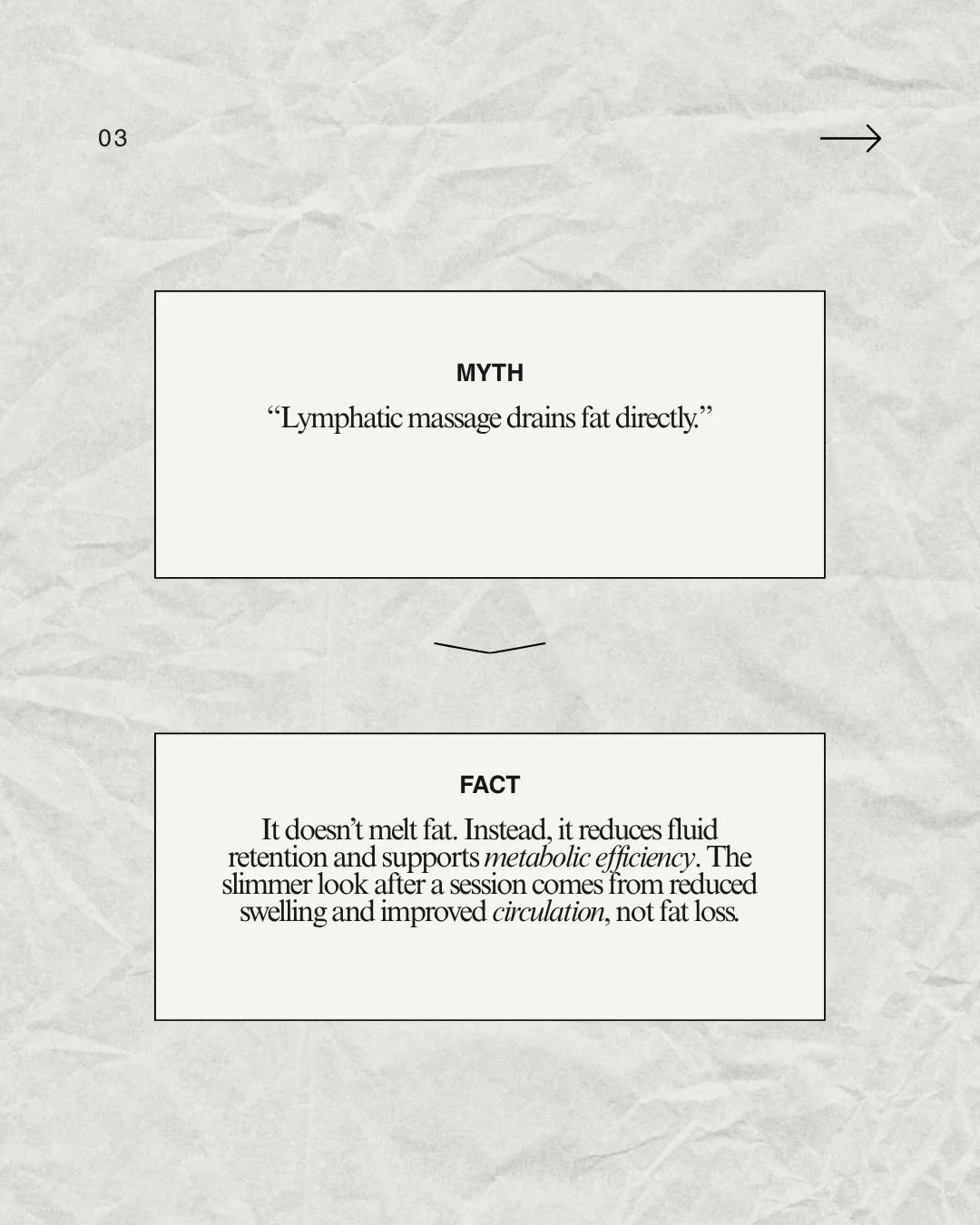
Many clients also notice smoother-looking skin after a session. While fascia blasting doesn't "melt fat" or permanently erase cellulite, improving circulation and moving excess fluid can create a firmer, healthier-looking appearance and a beautiful post-treatment glow.
The best part? When paired with massage, stretching, hydration, and regular movement, fascia work can be a wonderful addition to your self-care routine. Think of it as giving your body's connective tissue a little extra love so you can move, feel, and look your best—inside and out!

My Mission Statement
My mission
Health and Wellness For Everyone
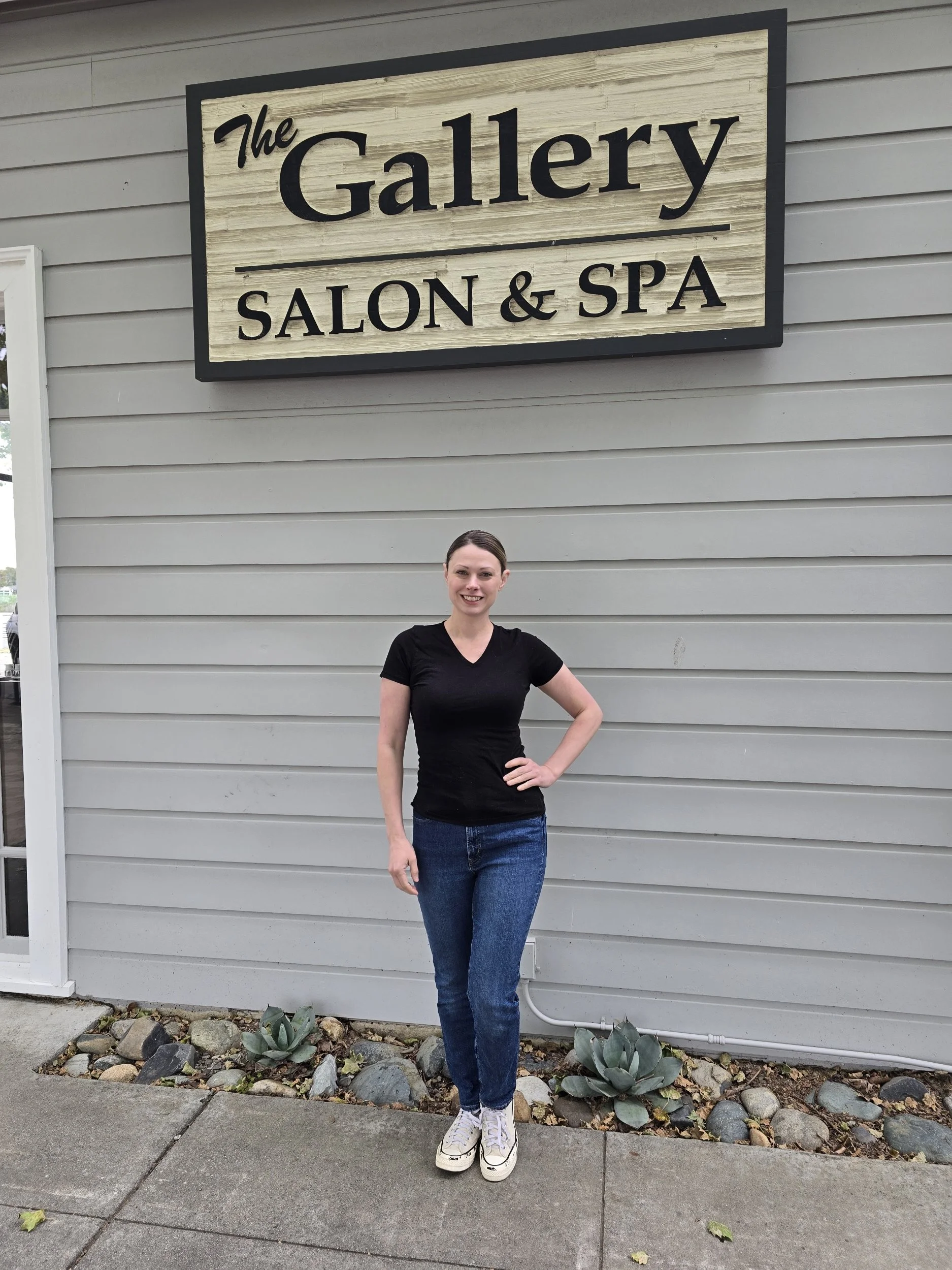
I believe that health, wellness, and pain relief should not be a luxury reserved for a select few. Everyone deserves access to quality care that is affordable, personalized, and focused on their individual needs. That is why I created a massage experience that combines therapeutic results, luxurious products, and compassionate care at a price that is accessible to as many people as possible.
There are no cookie-cutter massages here. Every session is thoughtfully tailored to you and your wellness goals. Whether you are seeking relief from chronic pain, recovering from physical activity, coping with the stresses of everyday life, or simply taking time to care for yourself, I will customize each treatment to help you feel your best.
With a background in massage therapy, nutrition, wellness coach, and the pharmacy industry, I take a whole-body approach to wellness. I offer a variety of modalities including Sports Massage, Trigger Point Therapy, Swedish Massage, Pregnancy Massage, Hot Stone Therapy, Lymphatic Massage, Deep Tissue Massage, and more—allowing me to create the perfect combination of techniques for your body and your goals.
I also believe wellness goes beyond massage. Because life is busy, I love incorporating skincare into my treatments so you can nourish your skin while you relax and heal. Hydration, vitamins, anti-aging benefits, and luxurious self-care can all be part of your wellness journey. I carefully select high-quality products that are natural, cruelty-free, and include gluten-free and hypoallergenic options whenever possible, so more people can enjoy treatments with confidence and peace of mind.
One of my greatest joys is bringing the luxury and quality of high-end spas to everyday people. I believe you should not have to spend a fortune to receive exceptional care. By combining premium products, customized treatments, and affordable pricing, I strive to create an experience that is both indulgent and attainable.
My goal in life is simple: to help people feel better. I do that with compassion, kindness, cleanliness, and a genuine commitment to your well-being. When you walk through my door, my hope is that you leave feeling healthier, more relaxed, and empowered to live your best life.

FarmHouse Fresh
FarmHouse Fresh is my favorite natural skin care. Let me tell you why.
Skin care with a purpose
There are many skincare companies out there, but FarmHouse Fresh stands out for a very special reason. They have built a brand around fresh, naturally derived skincare while also rescuing animals in need. Their Texas farm grows nutrient-rich botanicals that are incorporated into many of their products. At the same location, they operate a nonprofit sanctuary that provides a safe home for rescued farm animals. Every time I use FarmHouse Fresh products during a massage, I know that part of that purchase helps support rescue missions and lifelong animal care. The company even allows customers to track the impact of their purchase online and learn about the animals they helped save. I love being able to share that experience with my clients. These products feel wonderful during massage treatments and align with my commitment to using thoughtful, high-quality products whenever possible. Supporting FarmHouse Fresh means supporting healthy skin, animal welfare, and a company that truly gives back. It is a simple way for all of us to make a difference while enjoying a little self-care.
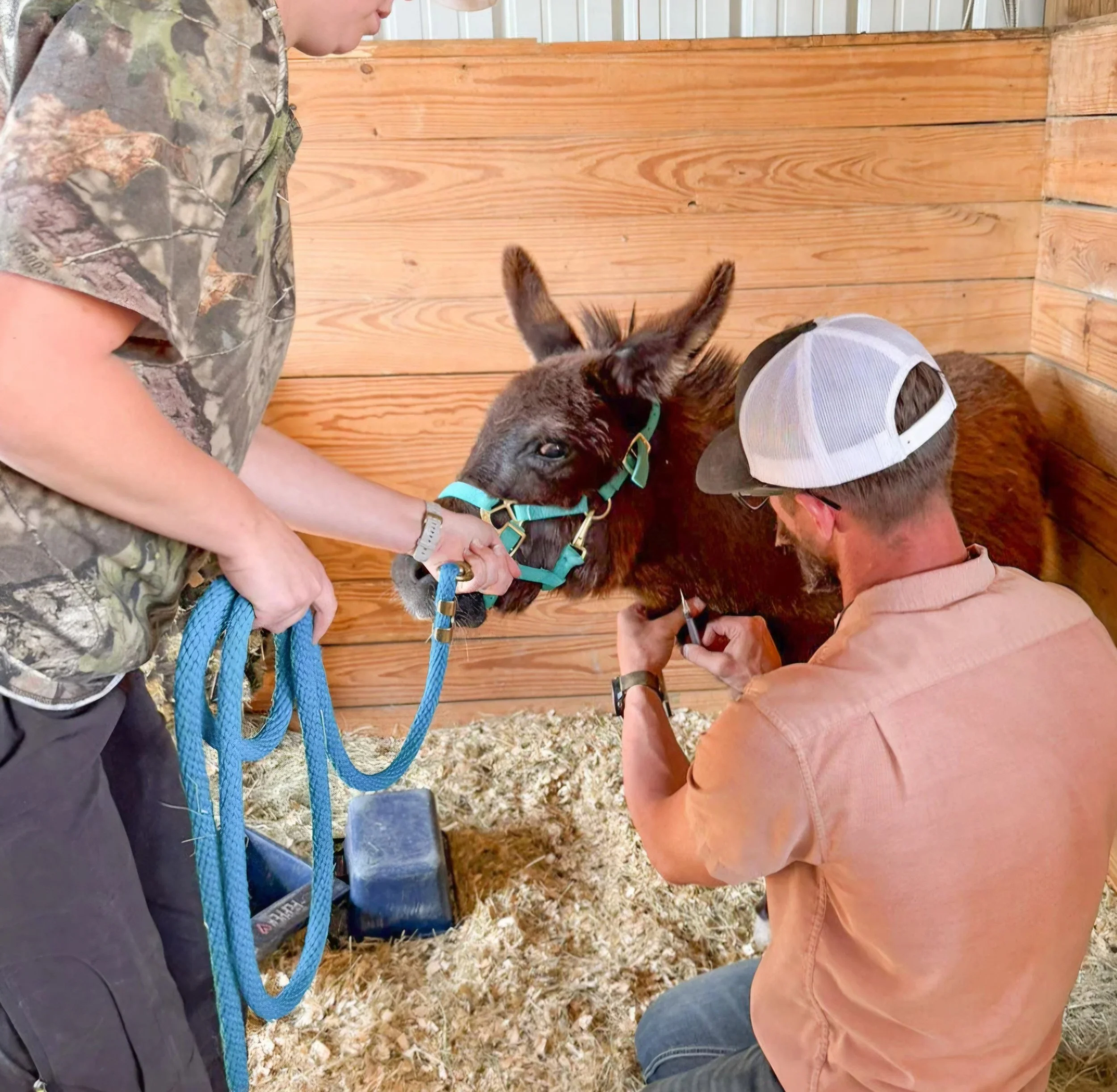
Below I have shared some pictures of some of the sweet rescues the FarmHouse Fresh Ranch had the opportunity to care for.



Lymphatic Fanatic
Lets Talk Lymphatic
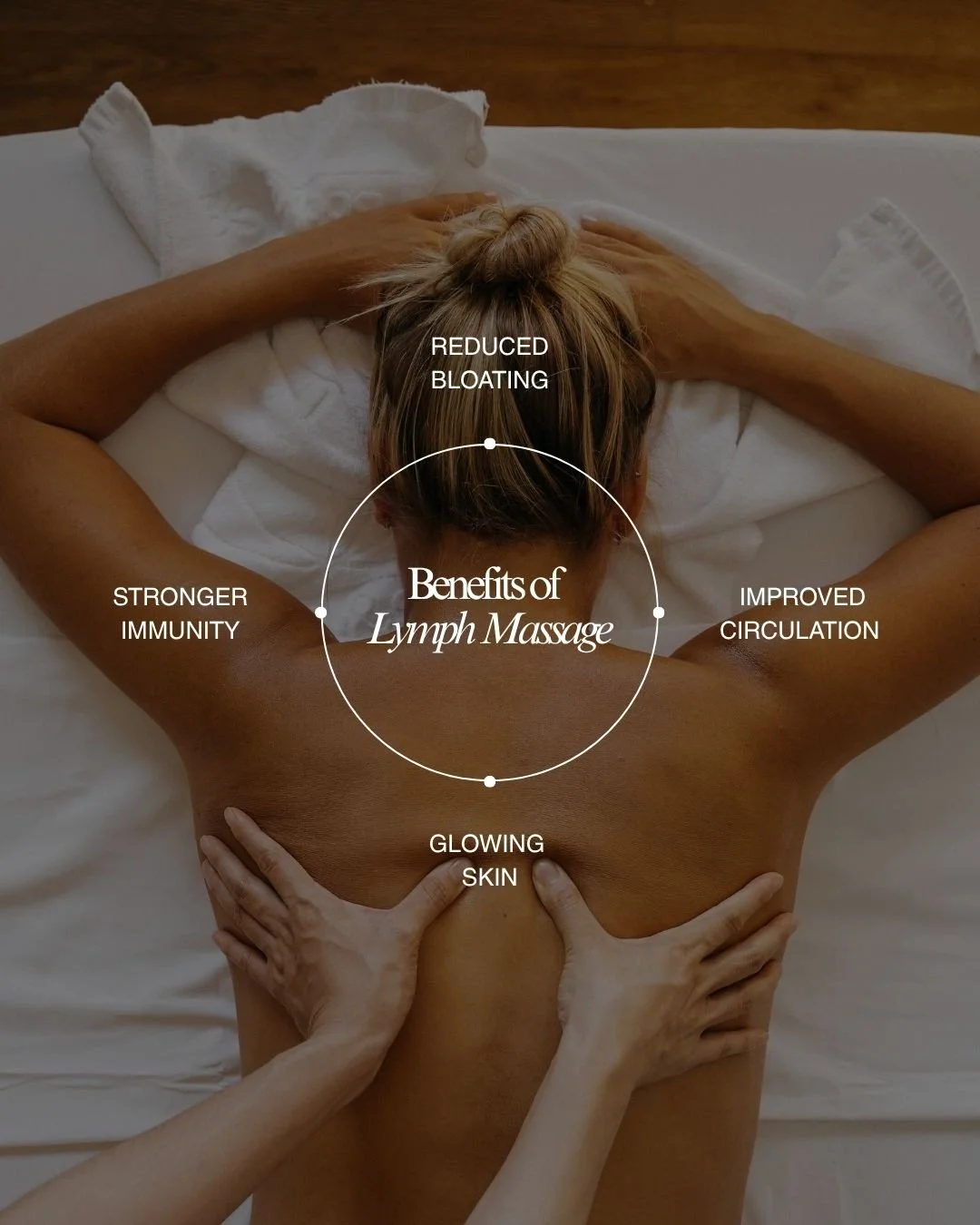
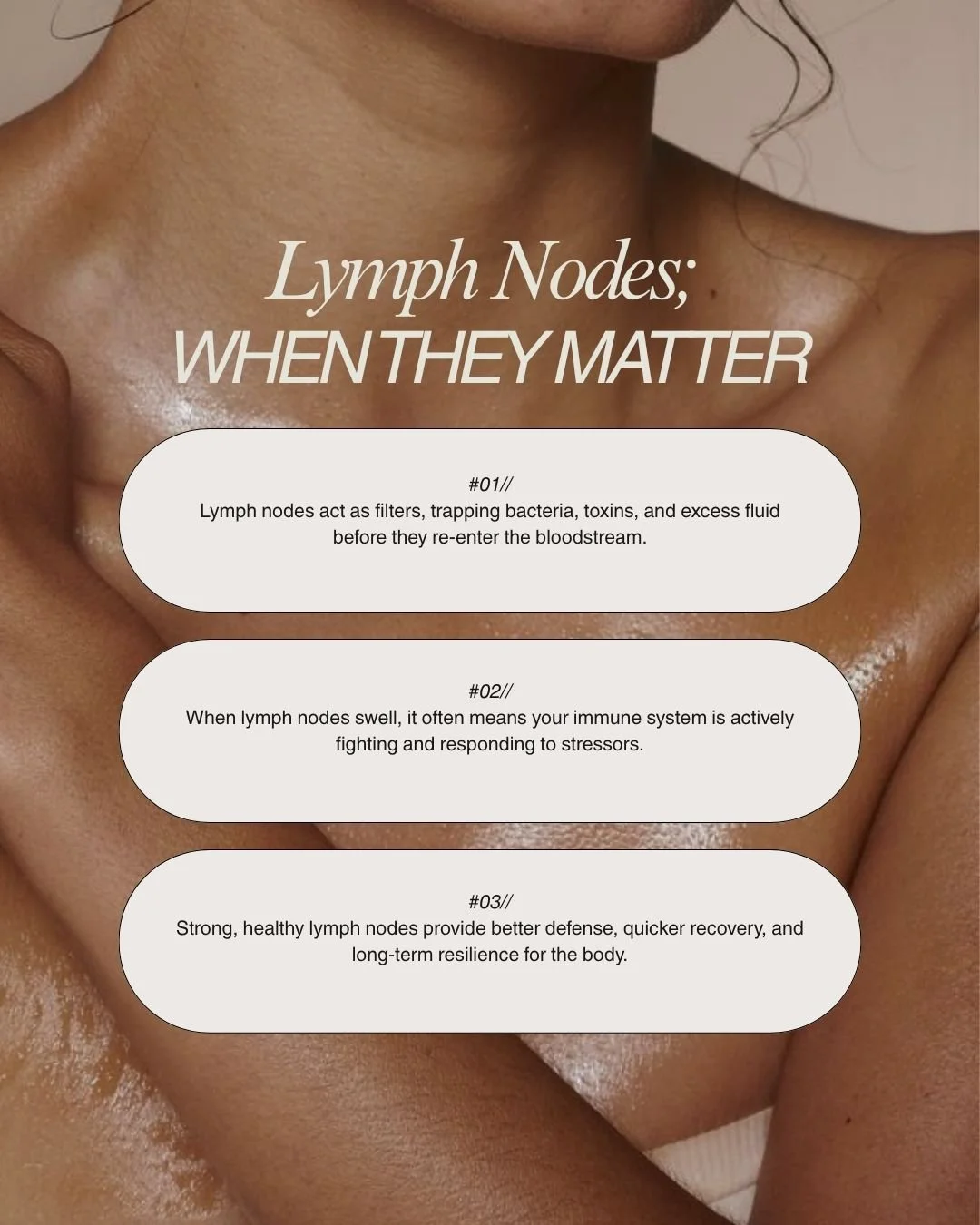
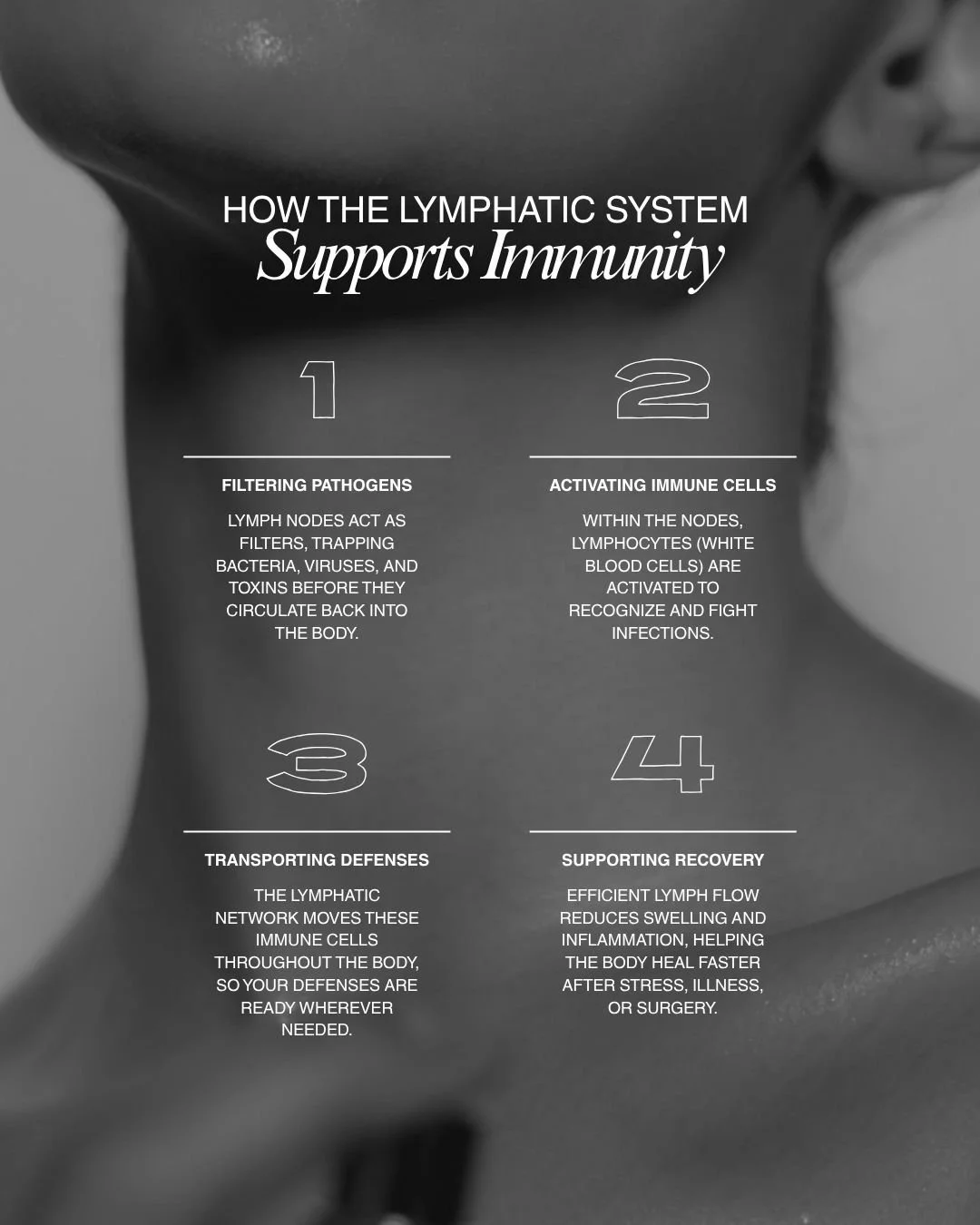
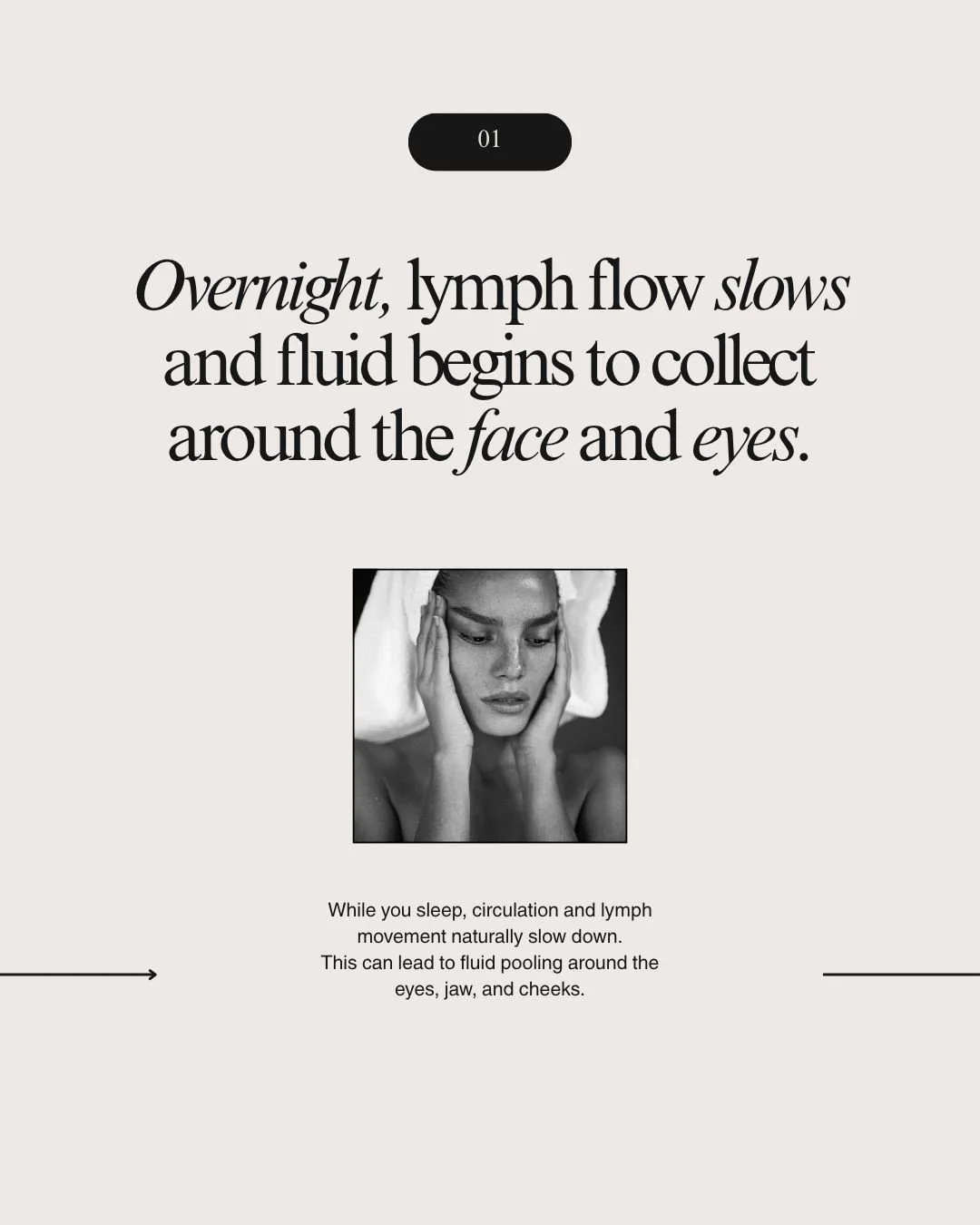
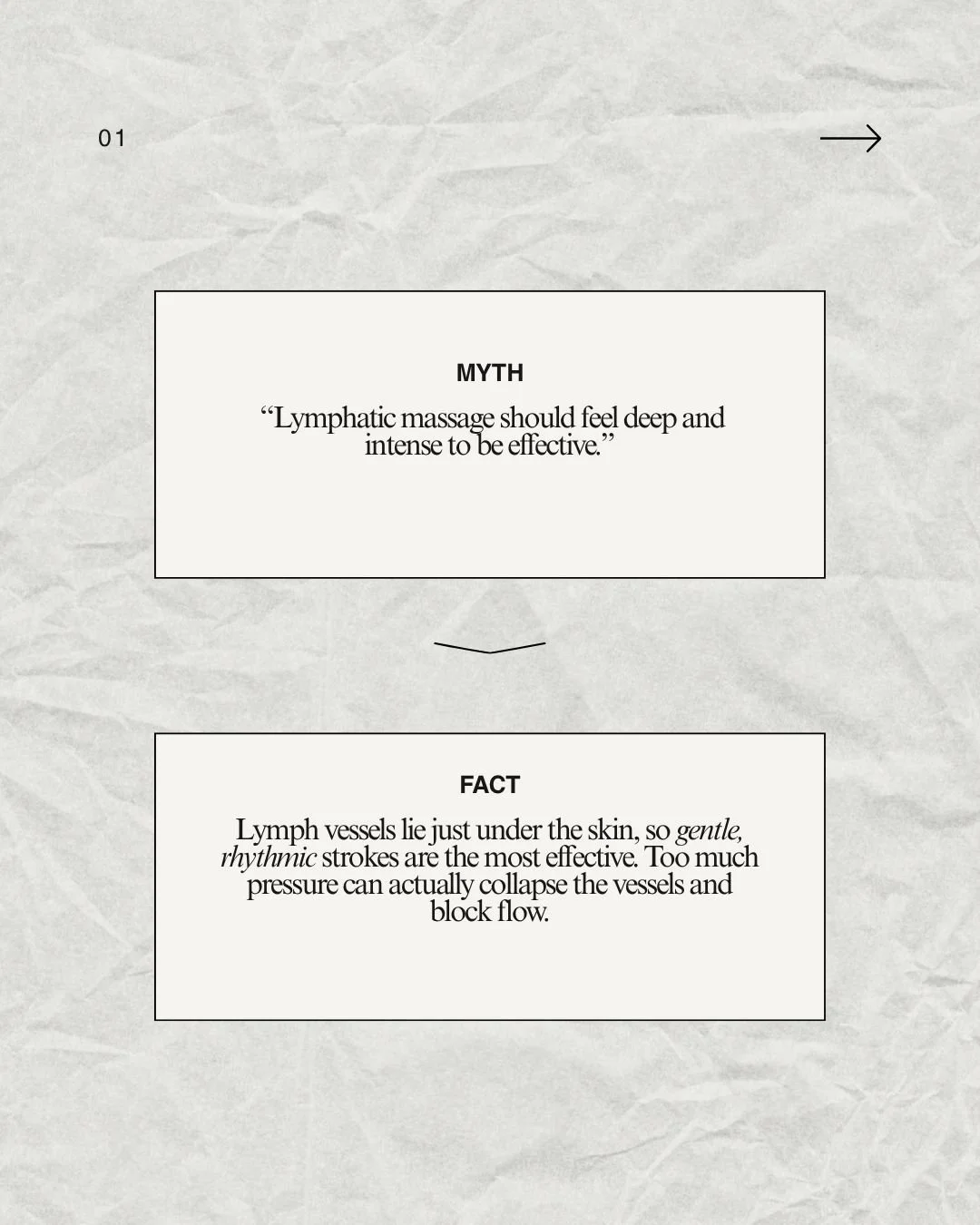
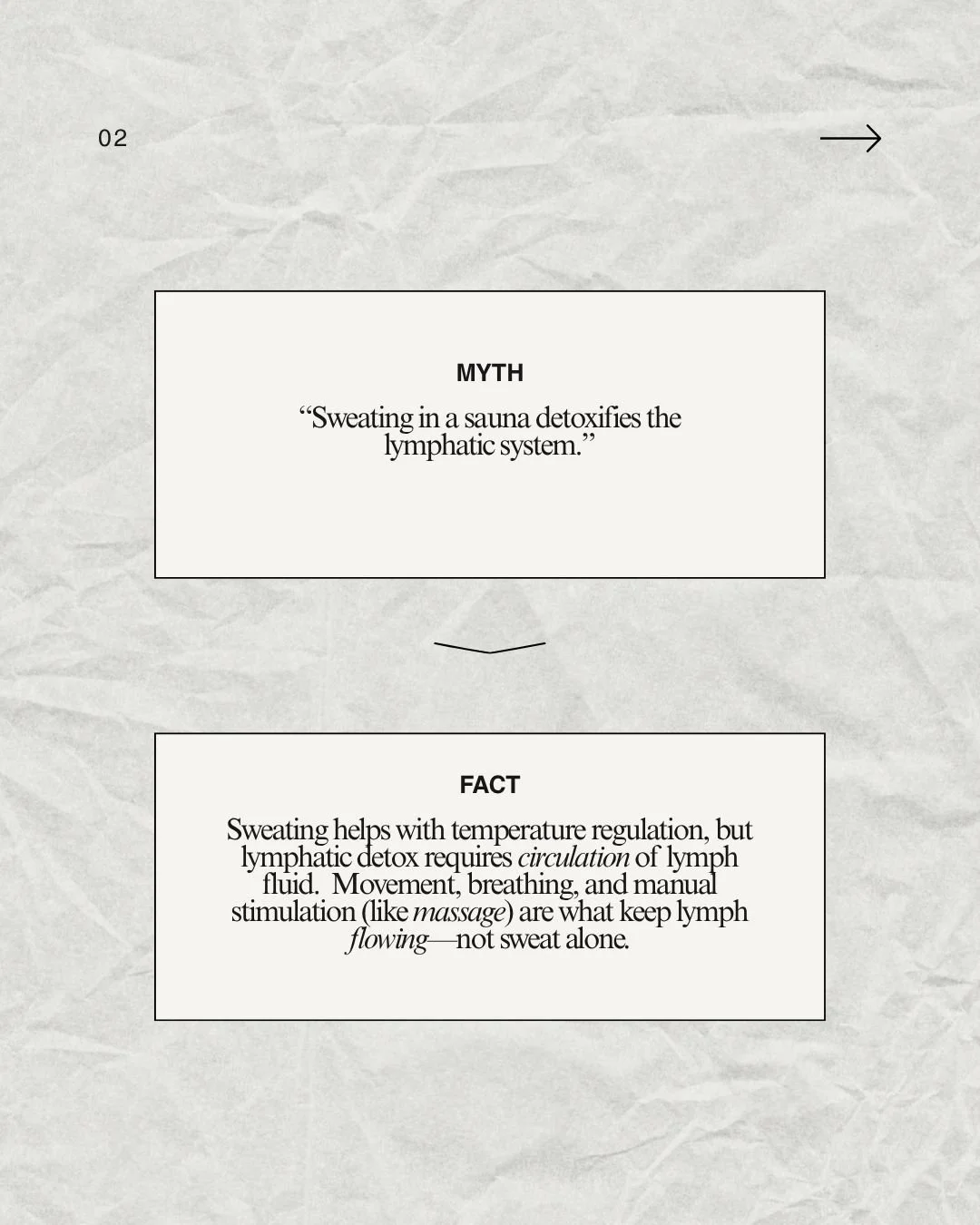
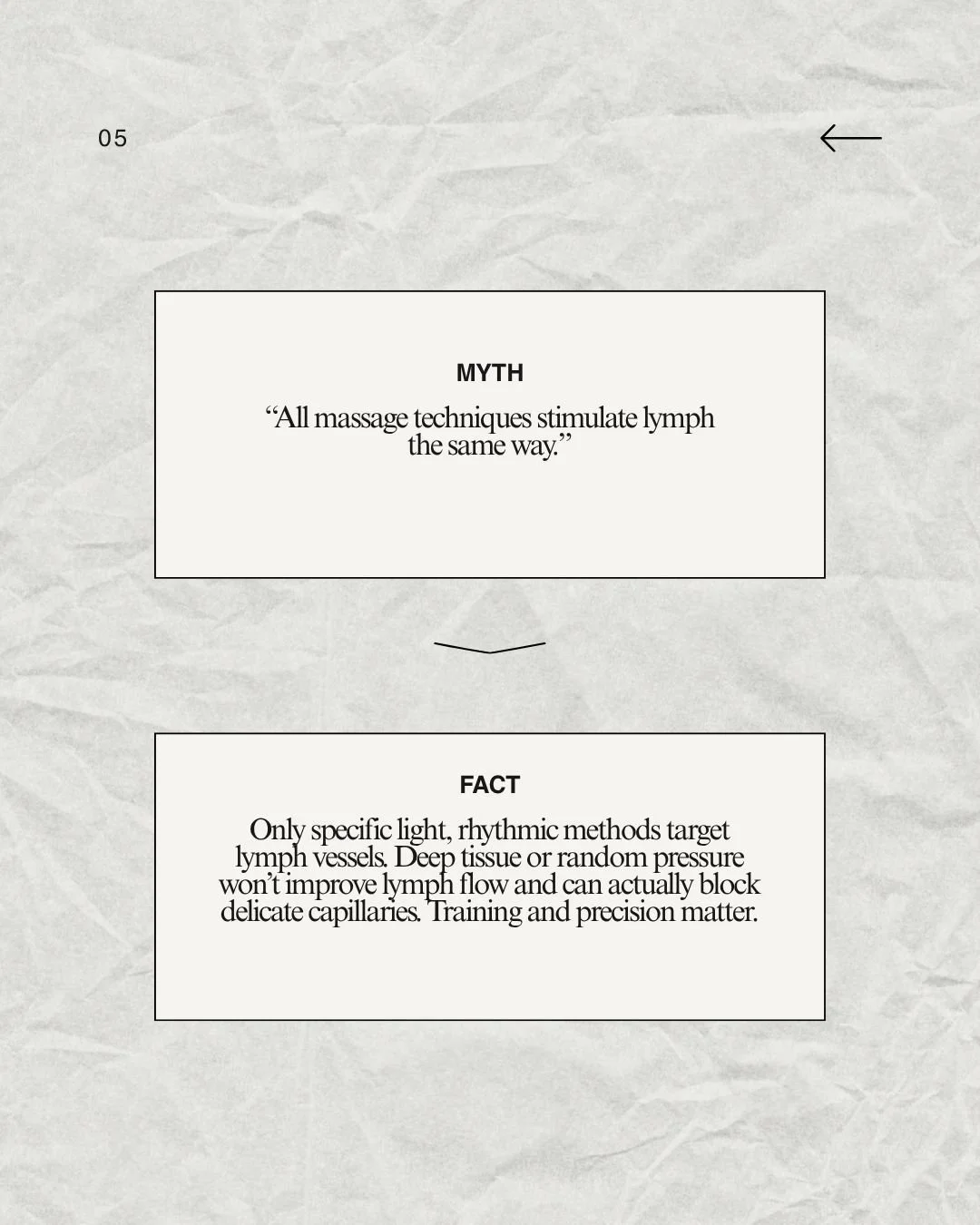
The lymphatic system is a network of vessels, nodes, and organs that helps your body remove toxins, waste, and excess fluid while also supporting your immune system. Unlike the circulatory system, it doesn’t have a pump like the heart, so it relies on movement, hydration, and gentle stimulation to keep things flowing. When your lymphatic system is sluggish, you might notice swelling, fatigue, or a weakened immune response—so taking simple steps to support it can make a real difference in how you feel day to day.
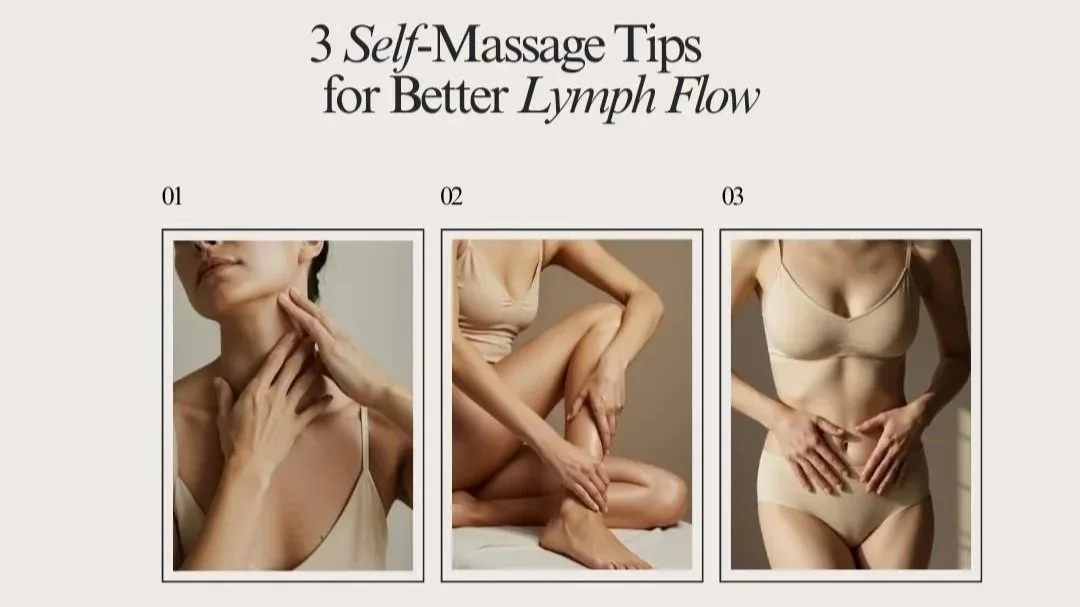
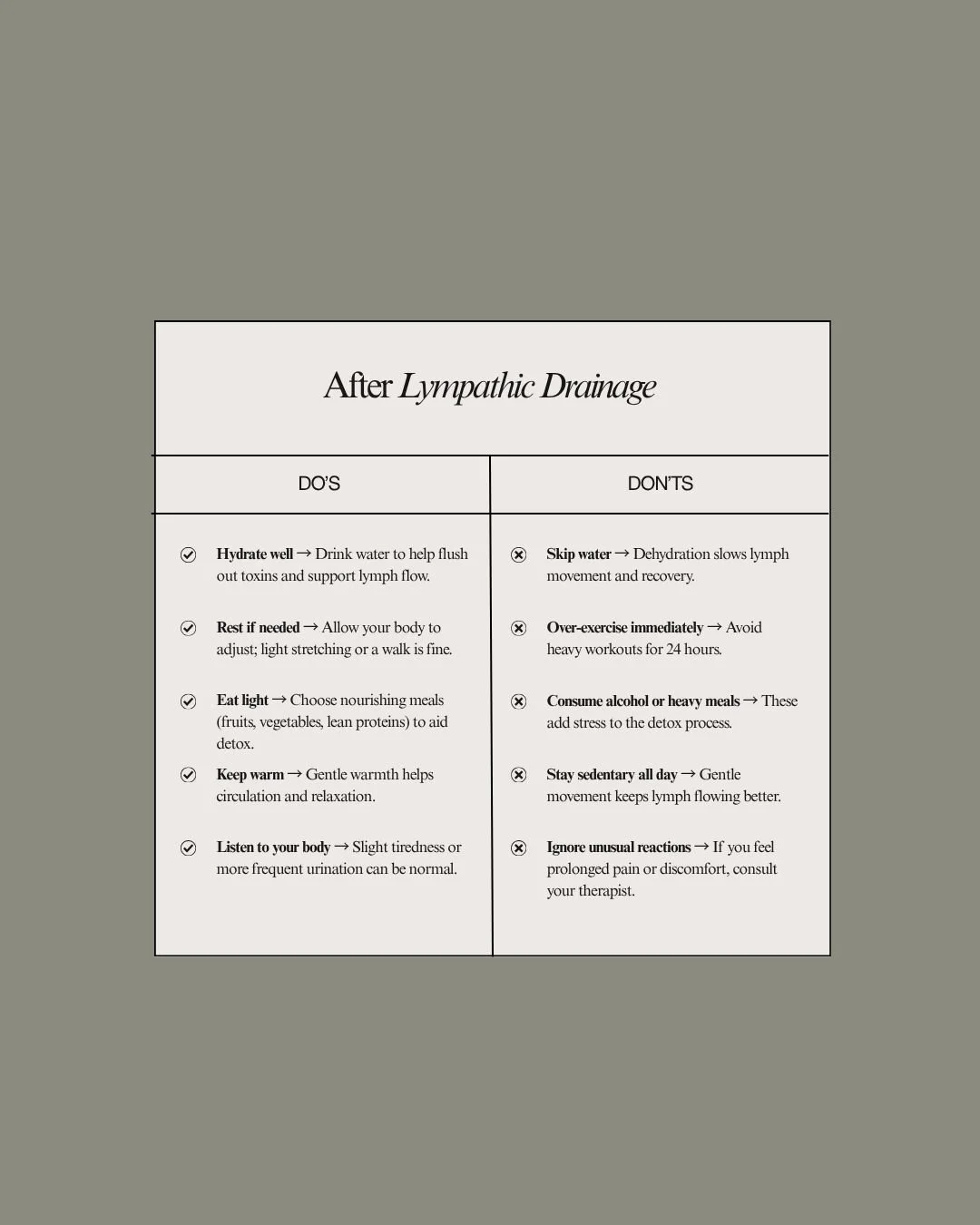
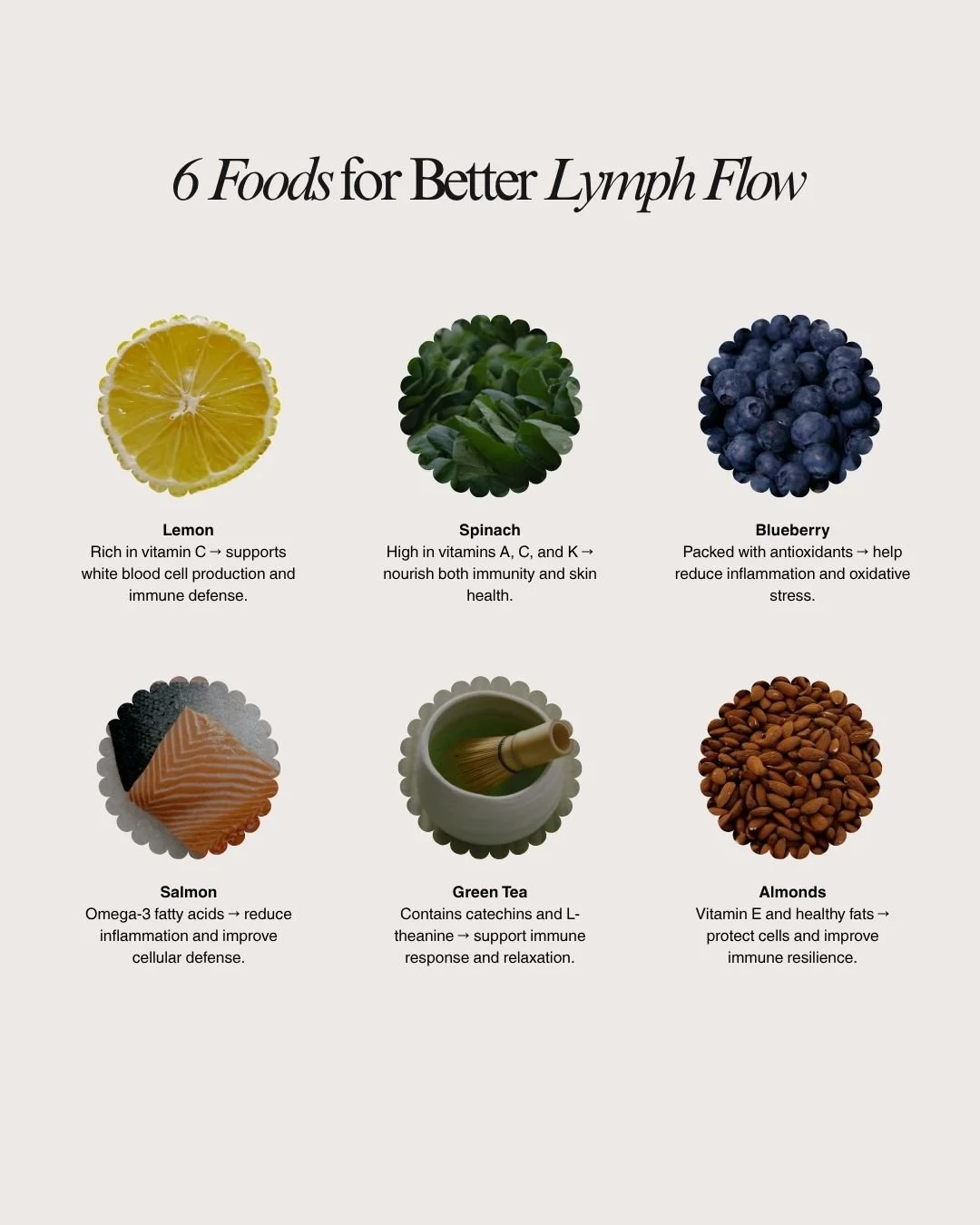
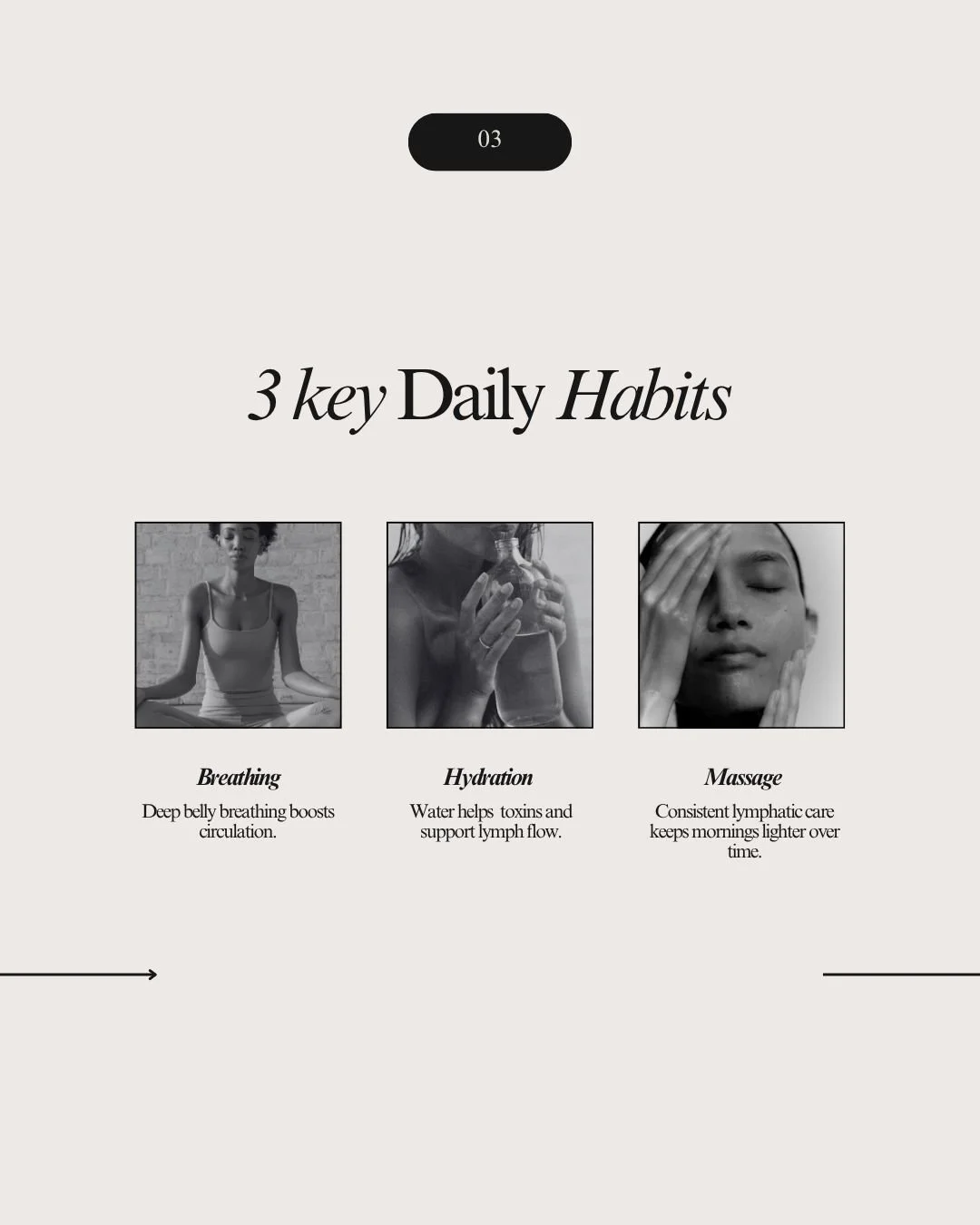
Three easy ways to improve your lymphatic flow include staying well hydrated, moving your body regularly, and practicing gentle self-care techniques. Drinking enough water helps thin lymph fluid so it moves more easily, while activities like walking, stretching, or rebounding (light bouncing) naturally stimulate circulation. For self-care, you can try simple lymphatic drainage techniques like dry brushing (using a soft brush on dry skin in upward strokes toward the heart), gentle self-massage (light pressure in circular motions around the neck, armpits, and behind the knees where lymph nodes cluster), and deep diaphragmatic breathing (slow, deep breaths that expand your belly to help pump lymph through your system). These small habits can support your body’s natural detox process and leave you feeling more energized and balanced.



Sports VS. Deep Tissue
Lets Talk Deep Tissue & Sports Massage
A sports massage is designed to support an active lifestyle, whether you’re a professional athlete or just someone who works out regularly. This type of massage focuses on improving performance, preventing injury, and speeding up recovery by using techniques like stretching, compression, and targeted muscle work. It can be done before activity to warm up the body, after activity to reduce soreness, or as part of ongoing maintenance. The benefits include increased flexibility, improved circulation, faster recovery, and reduced muscle tension. While it’s generally energizing and functional, it may not always feel deeply relaxing, and the focus is more on specific muscle groups rather than full-body tension relief.
A deep tissue massage, on the other hand, is all about relieving chronic tension and working into the deeper layers of muscle and connective tissue. Using slower, more focused pressure, it helps break up “knots”, improve mobility, and address long-standing areas of discomfort like tight shoulders, low back pain, or postural issues. This is a great choice if you’re dealing with stress, stiffness, or lingering pain. The benefits include long-lasting relief, improved range of motion, and better posture—but it can be more intense, and some soreness afterward is normal. In simple terms, sports massage is ideal for keeping your body performing at its best, while deep tissue is perfect for restoring and repairing muscles that need deeper attention.
Self-Care and Maintenance
Lets Talk Self Care
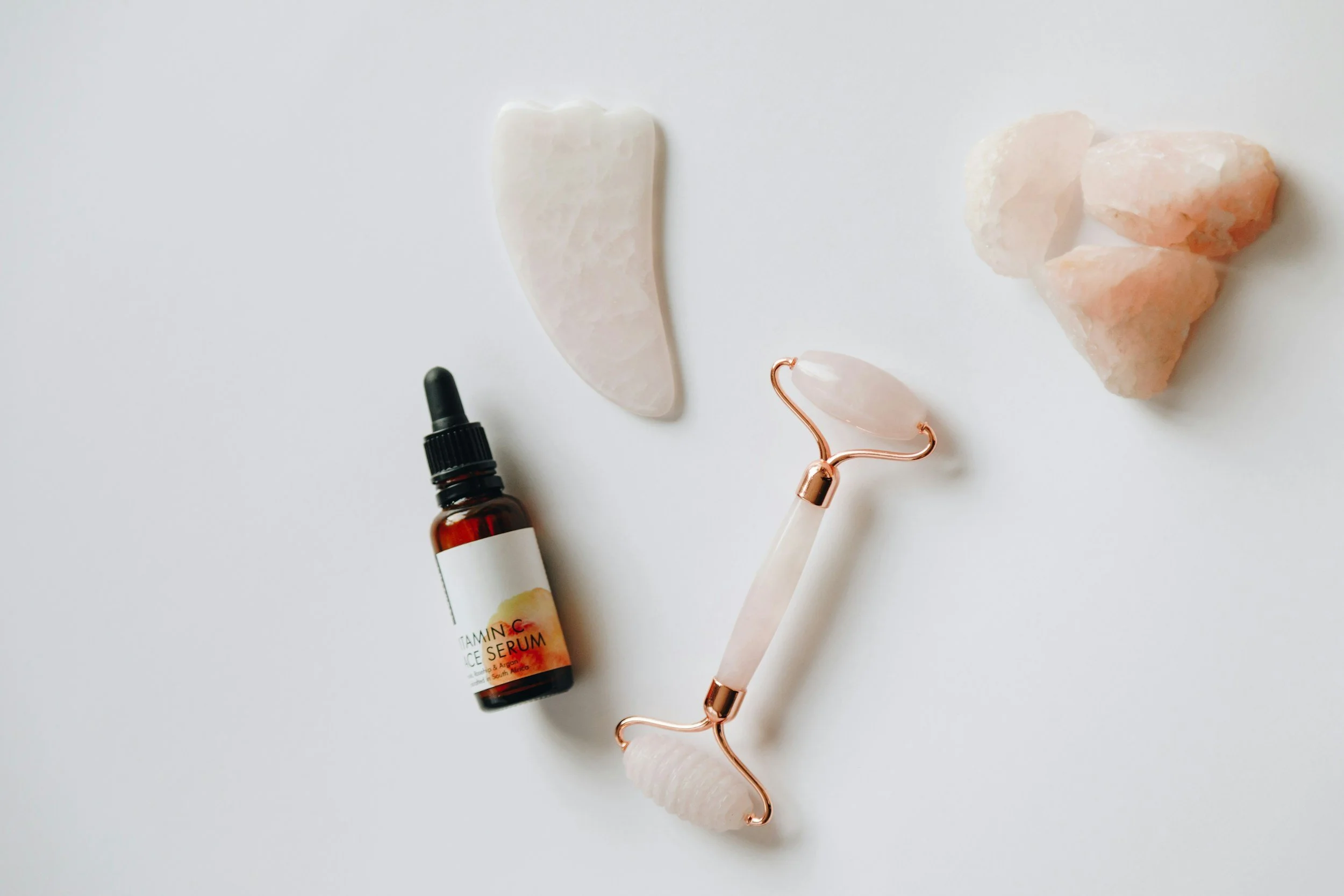
Self-care isn’t a luxury—it’s a necessary practice for maintaining both physical and mental well-being. Regular massage therapy plays a powerful role in this by helping to reduce muscle tension, improve circulation, and calm the nervous system. When your body relaxes, your mind follows. Massage encourages the release of endorphins while lowering cortisol levels, which can help you feel more balanced, grounded, and present. Making massage a consistent part of your routine supports long-term wellness rather than just temporary relief.
Chronic stress, when left unmanaged, can have serious effects on the body. It can lead to headaches, digestive issues, sleep disturbances, weakened immunity, and increased muscle pain or tension. Over time, stress can even contribute to more serious conditions like high blood pressure and burnout. This is why incorporating intentional self-care practices is so important—not just when you feel overwhelmed, but as a regular habit to prevent these issues from building up.
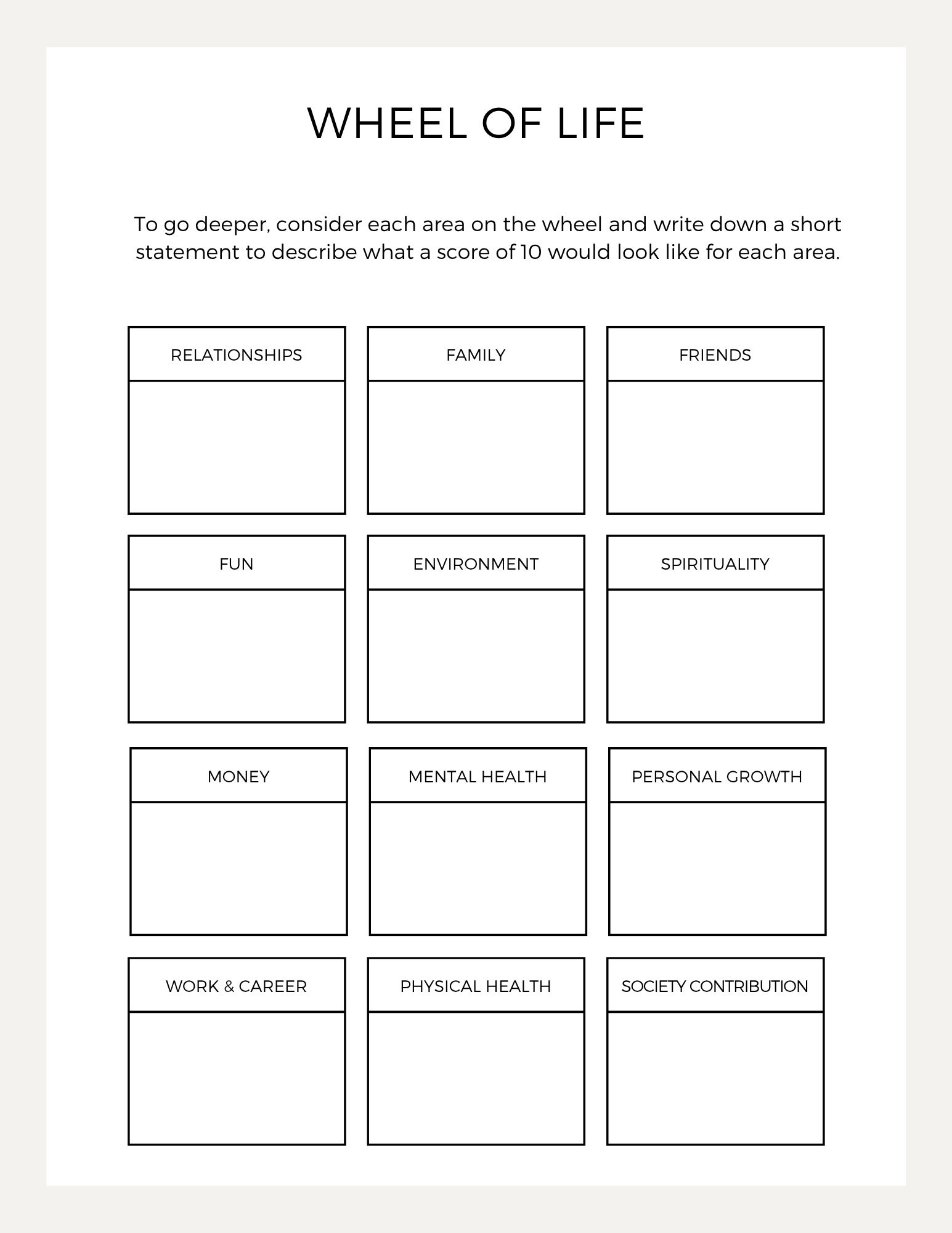
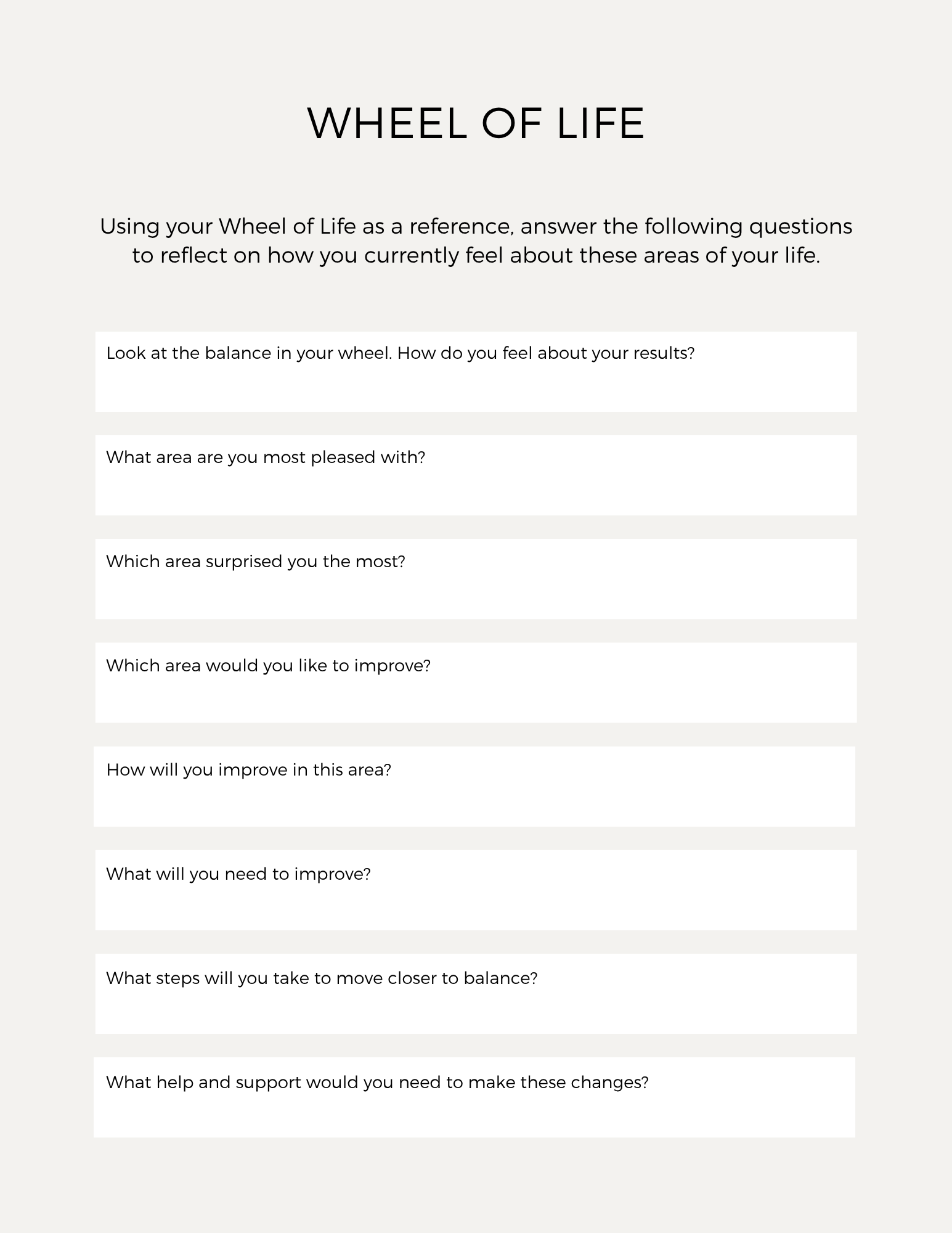
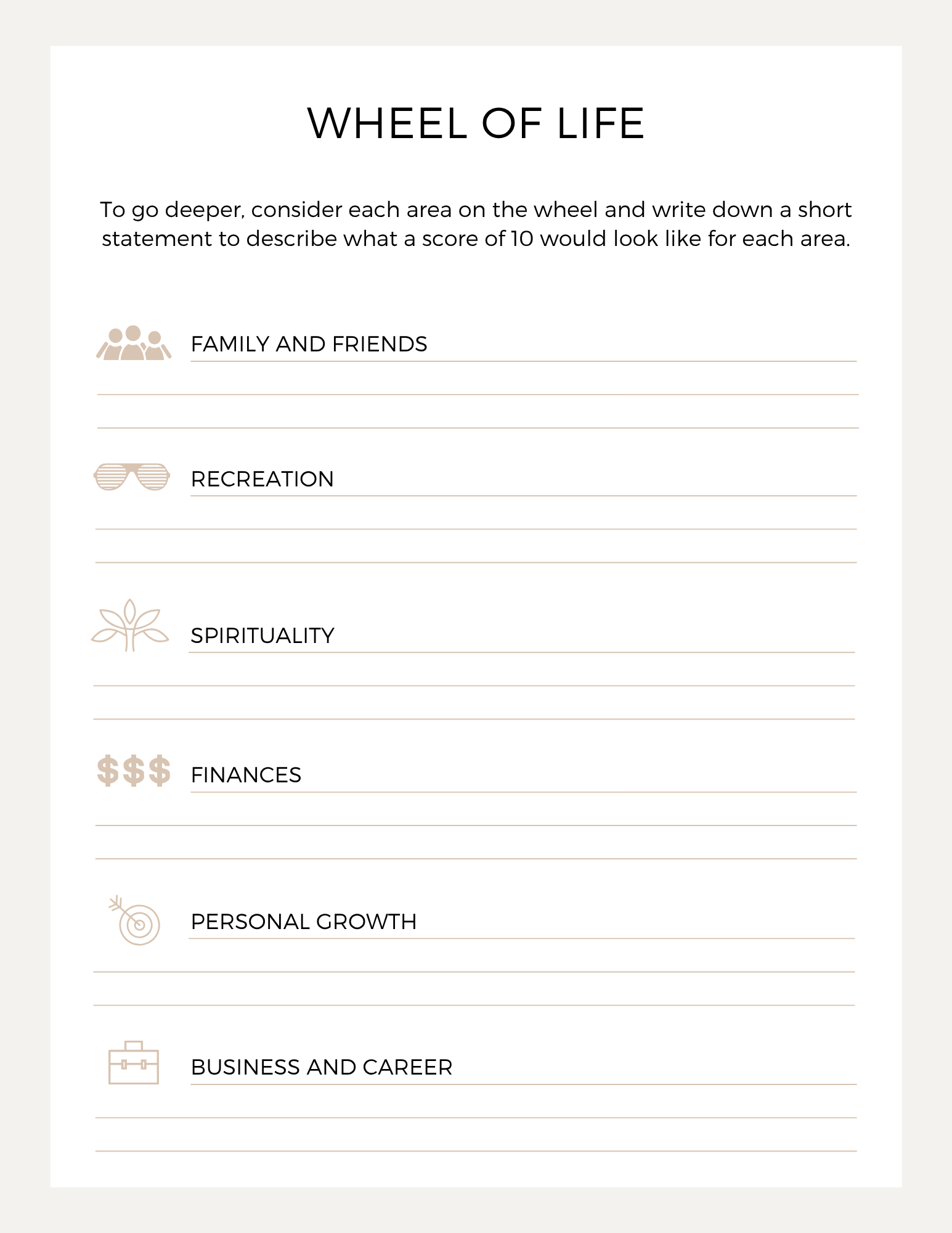
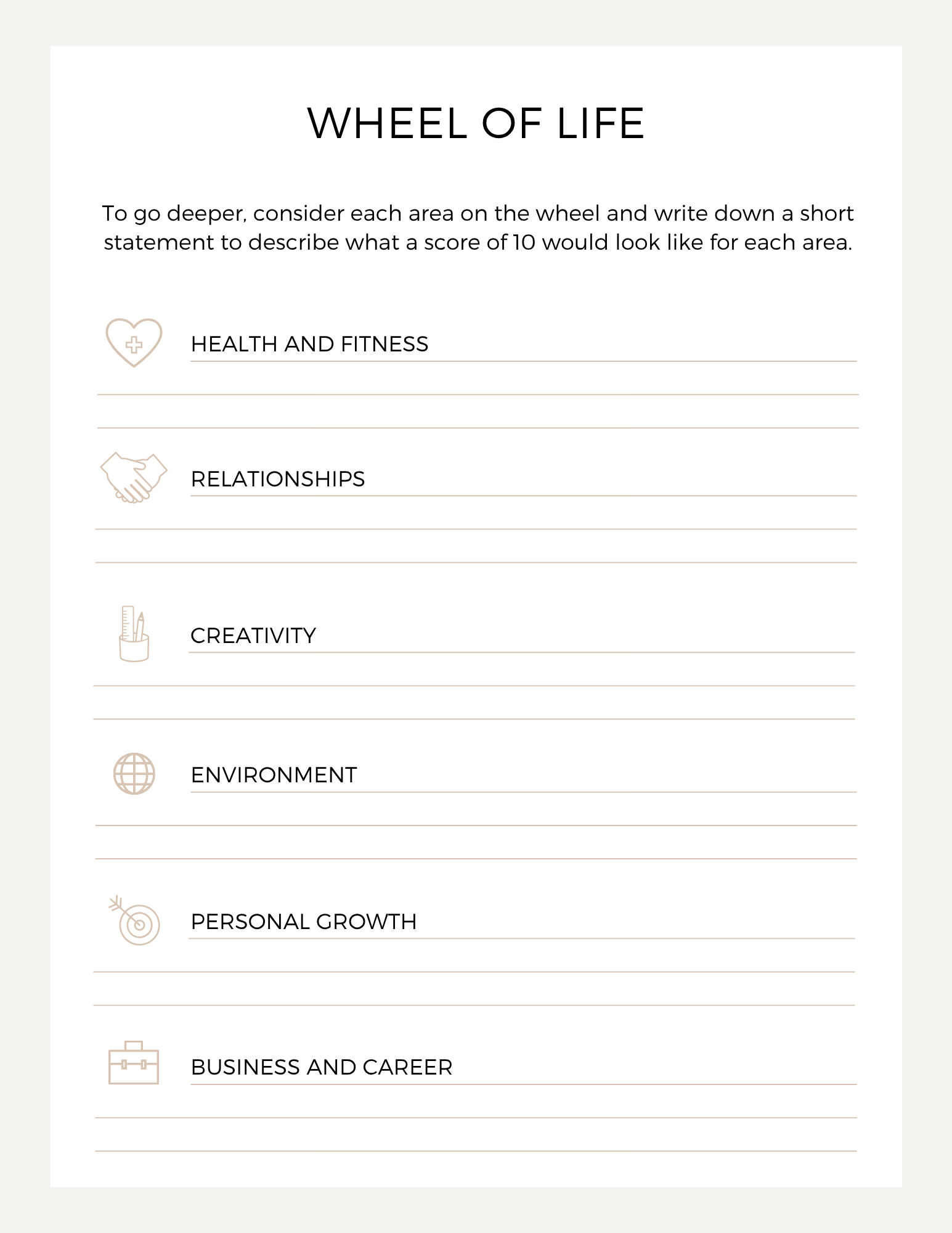
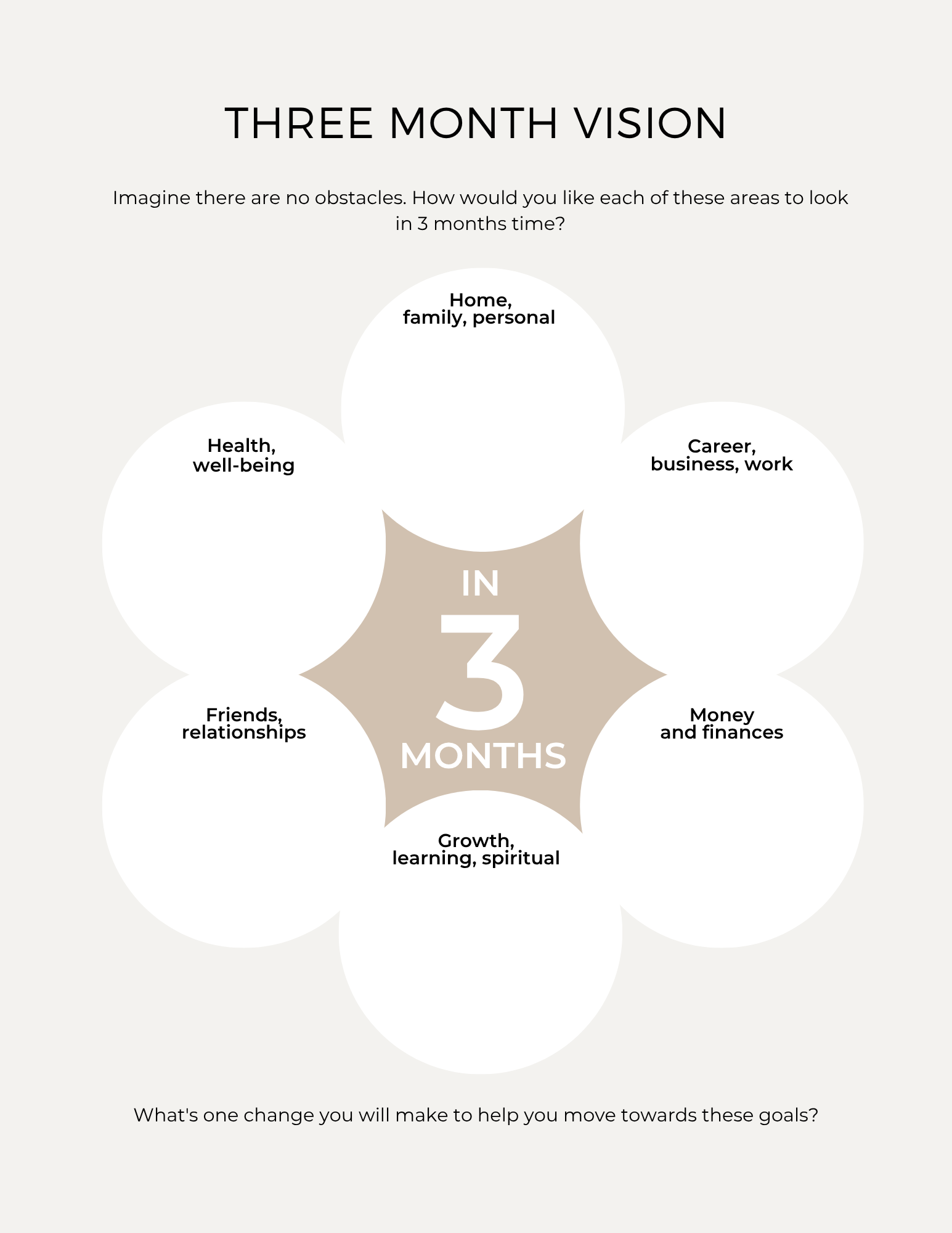
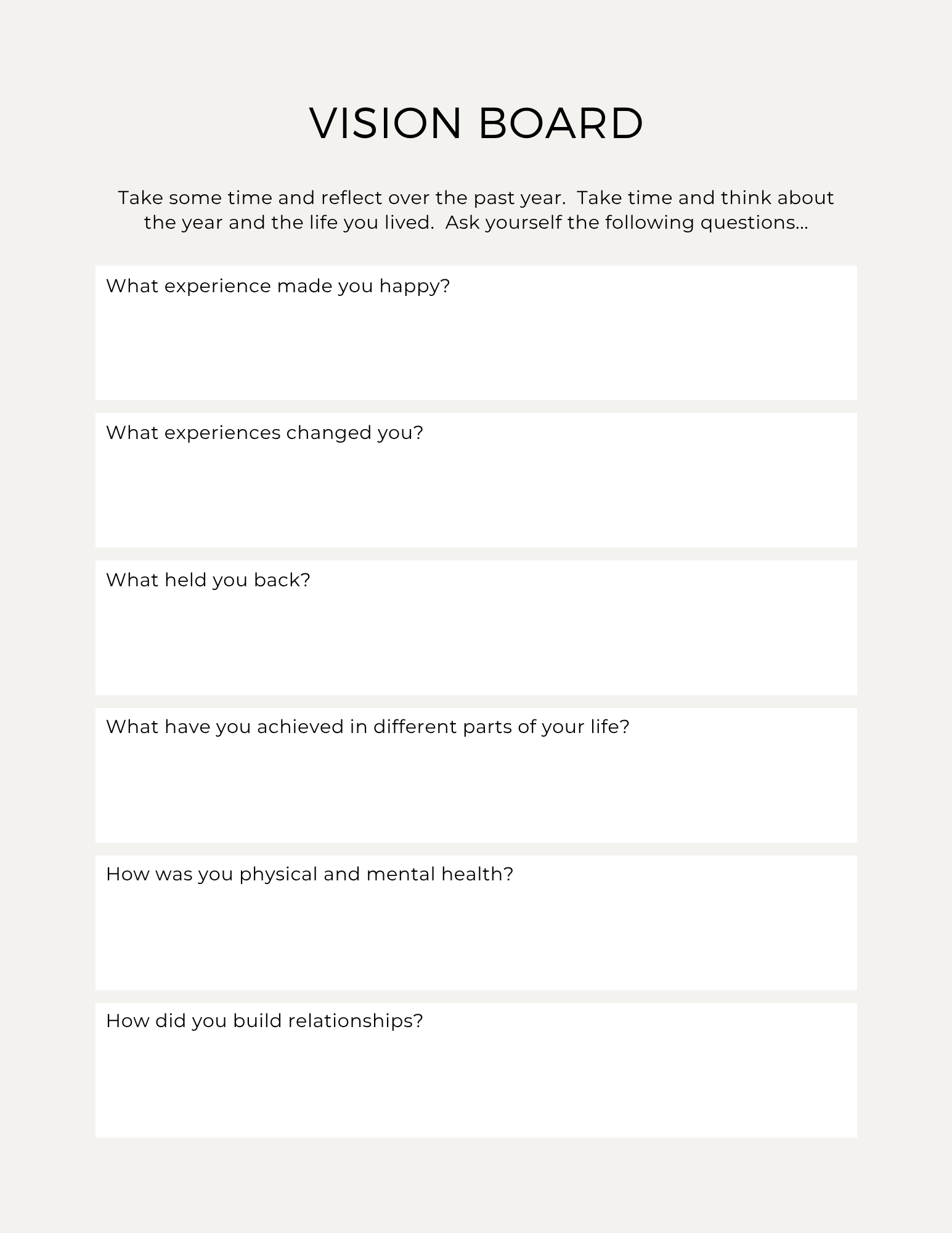
Simple, mindful practices like journaling, maintaining good sleep hygiene, and taking thoughtful time-outs throughout your day can make a meaningful difference. Journaling helps process emotions and clear mental clutter, while consistent sleep routines allow your body to repair and reset. Even brief pauses to breathe, stretch, or step away from stressors can help regulate your nervous system. When combined with regular massage, these practices create a strong foundation for a healthier, more resilient you.
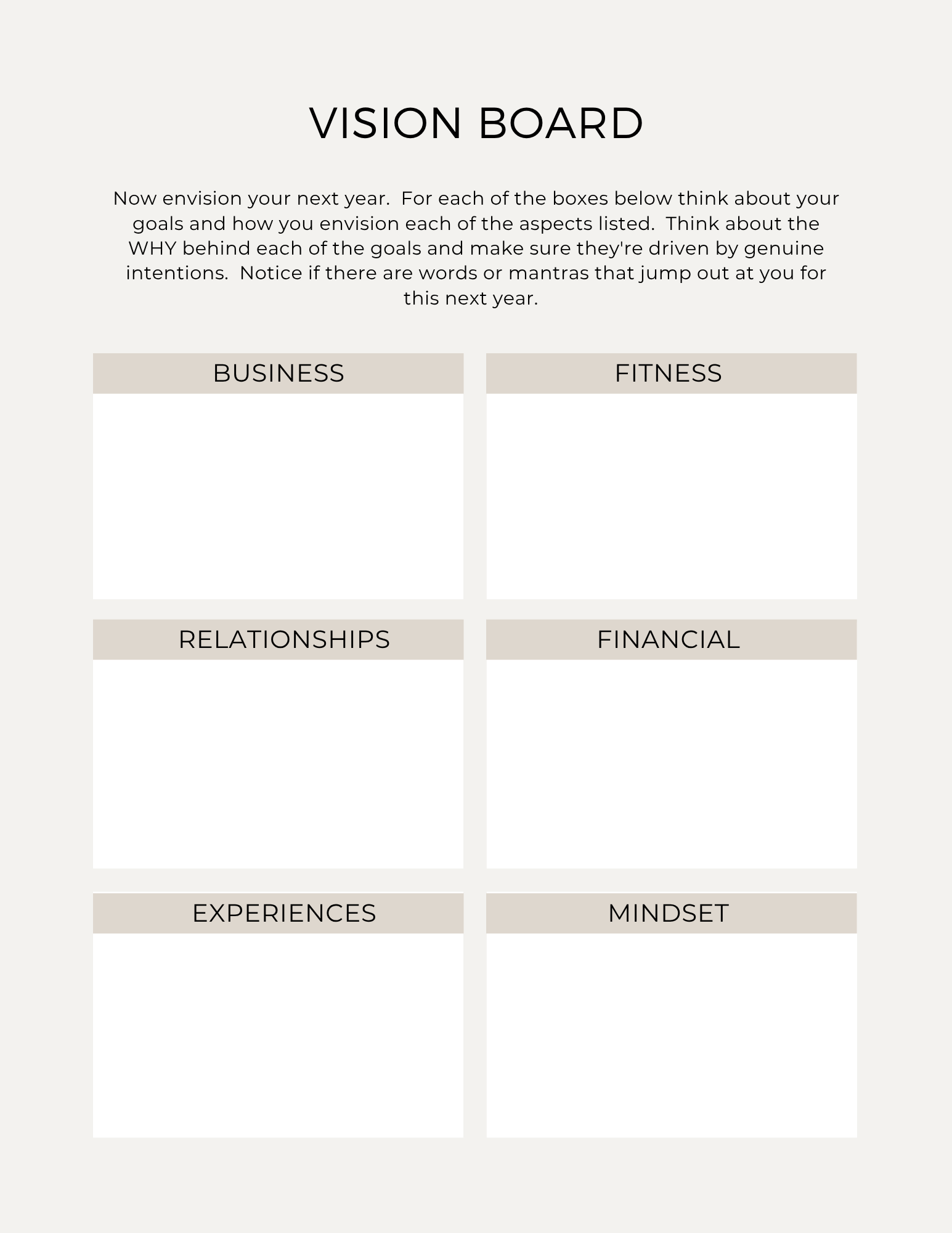
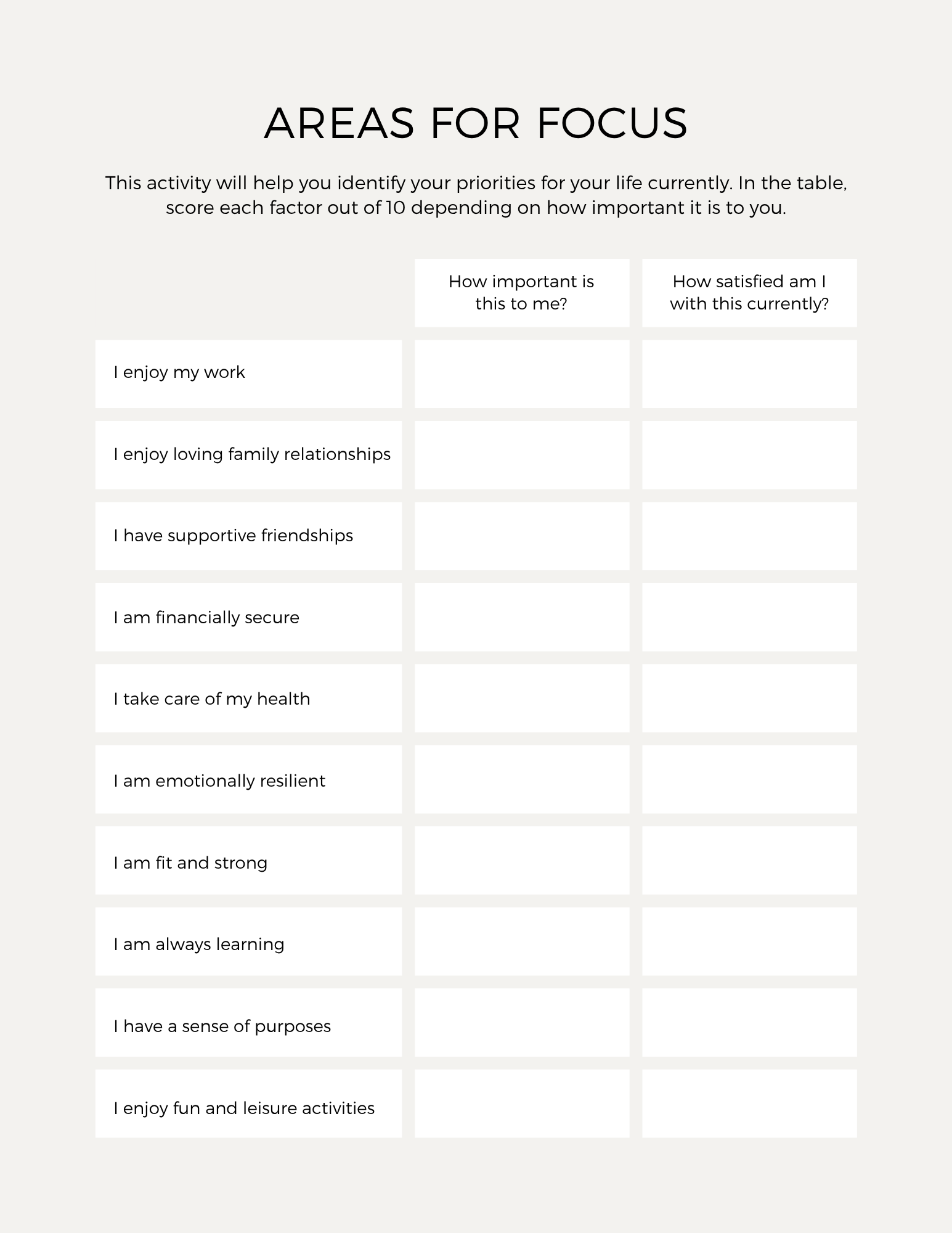
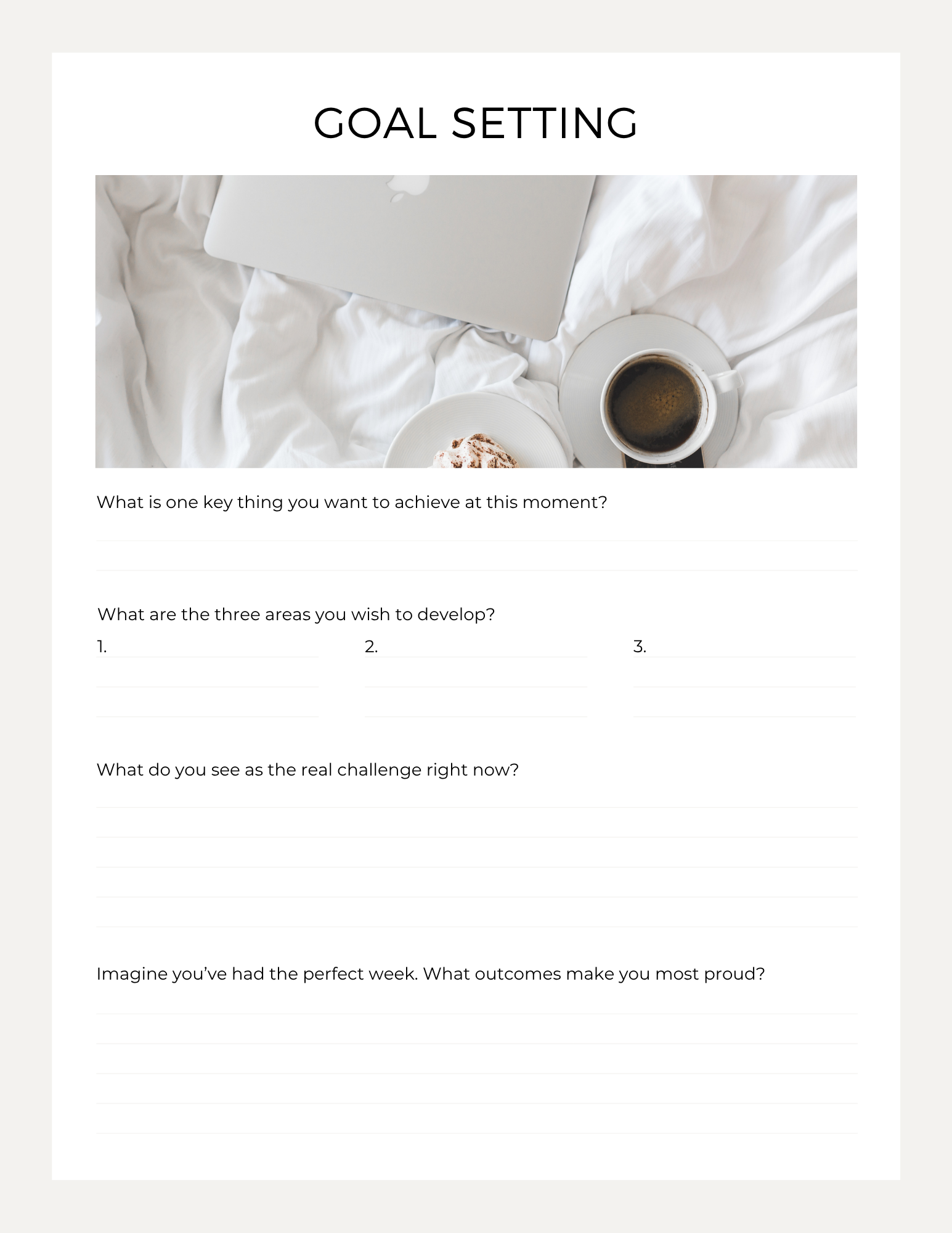
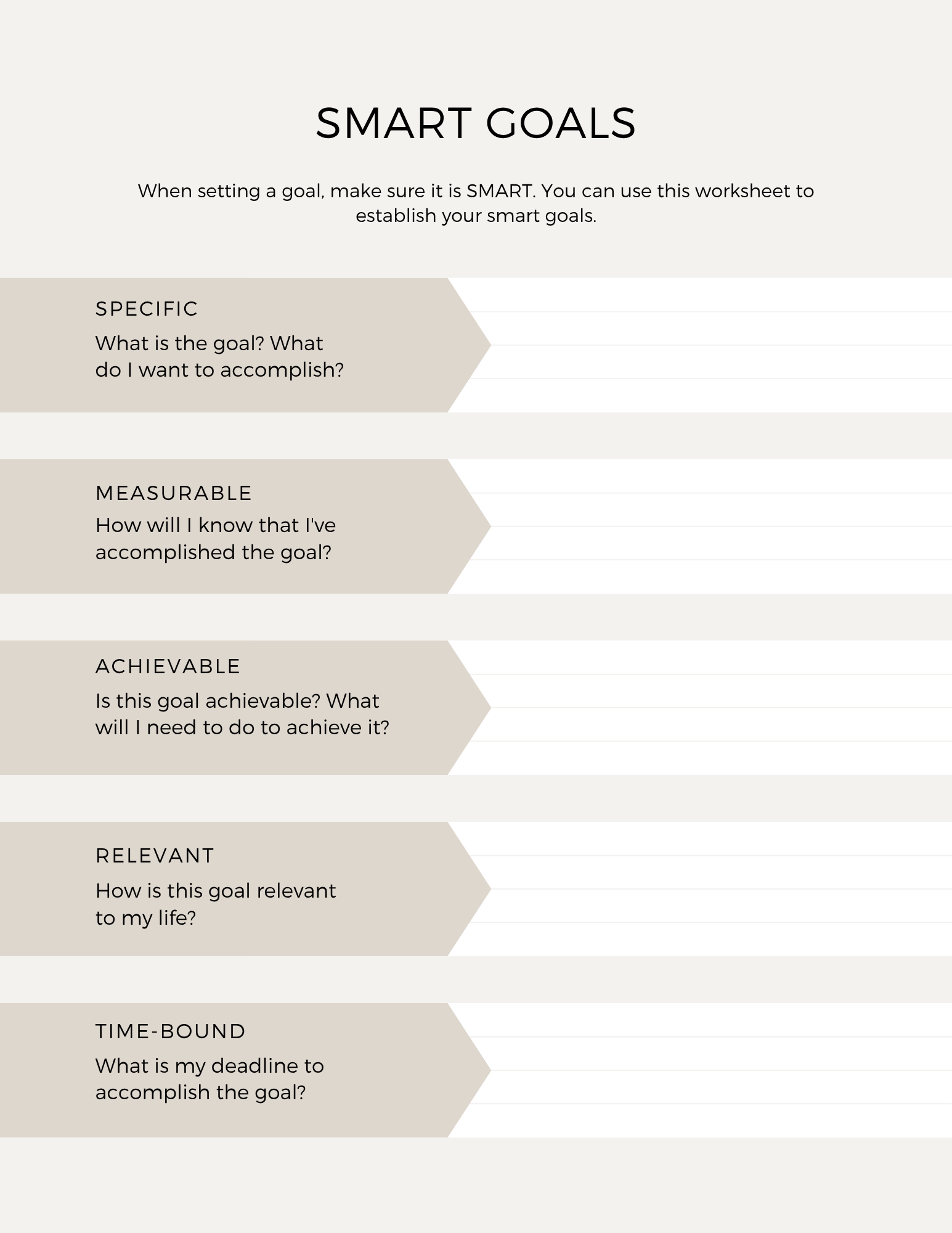
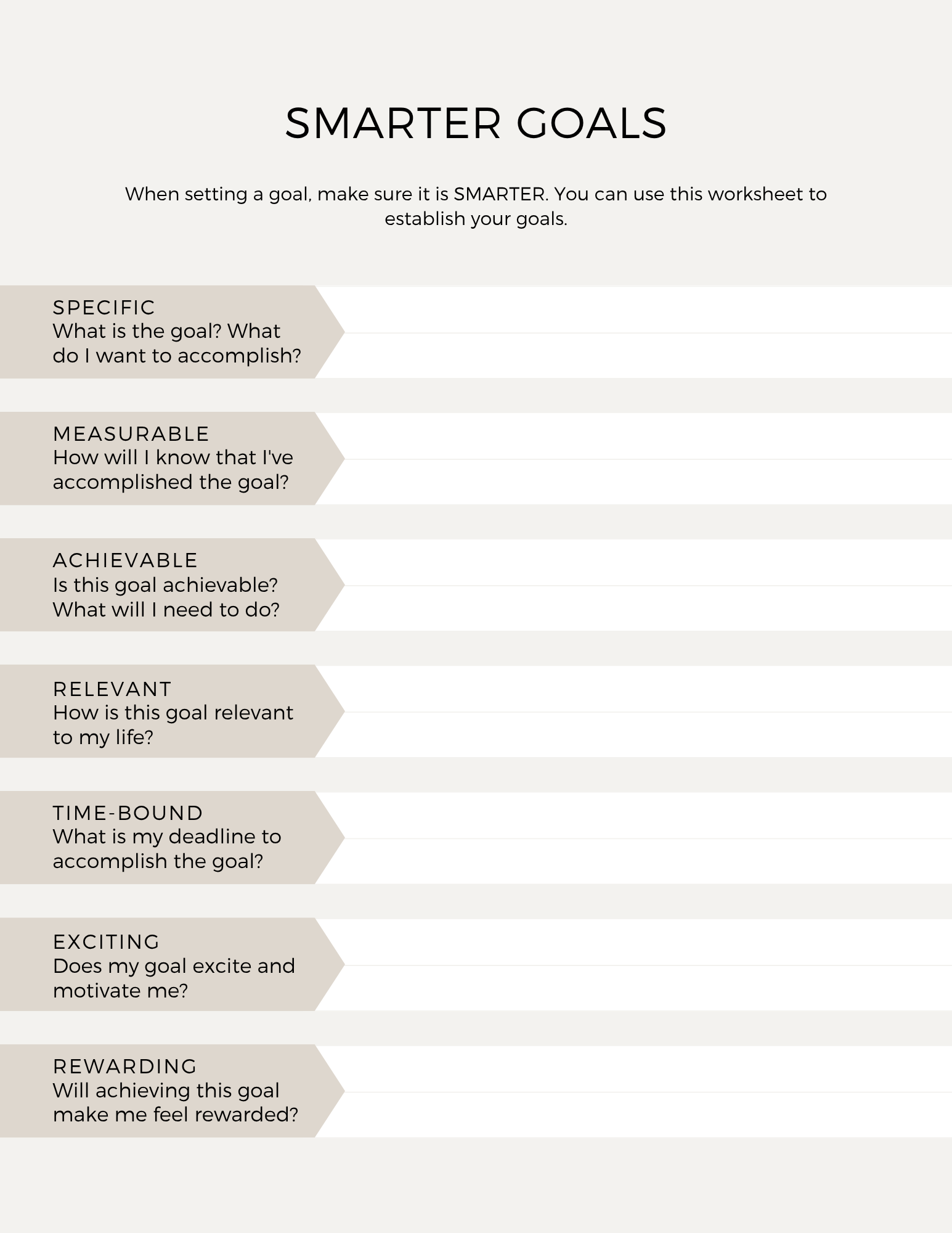
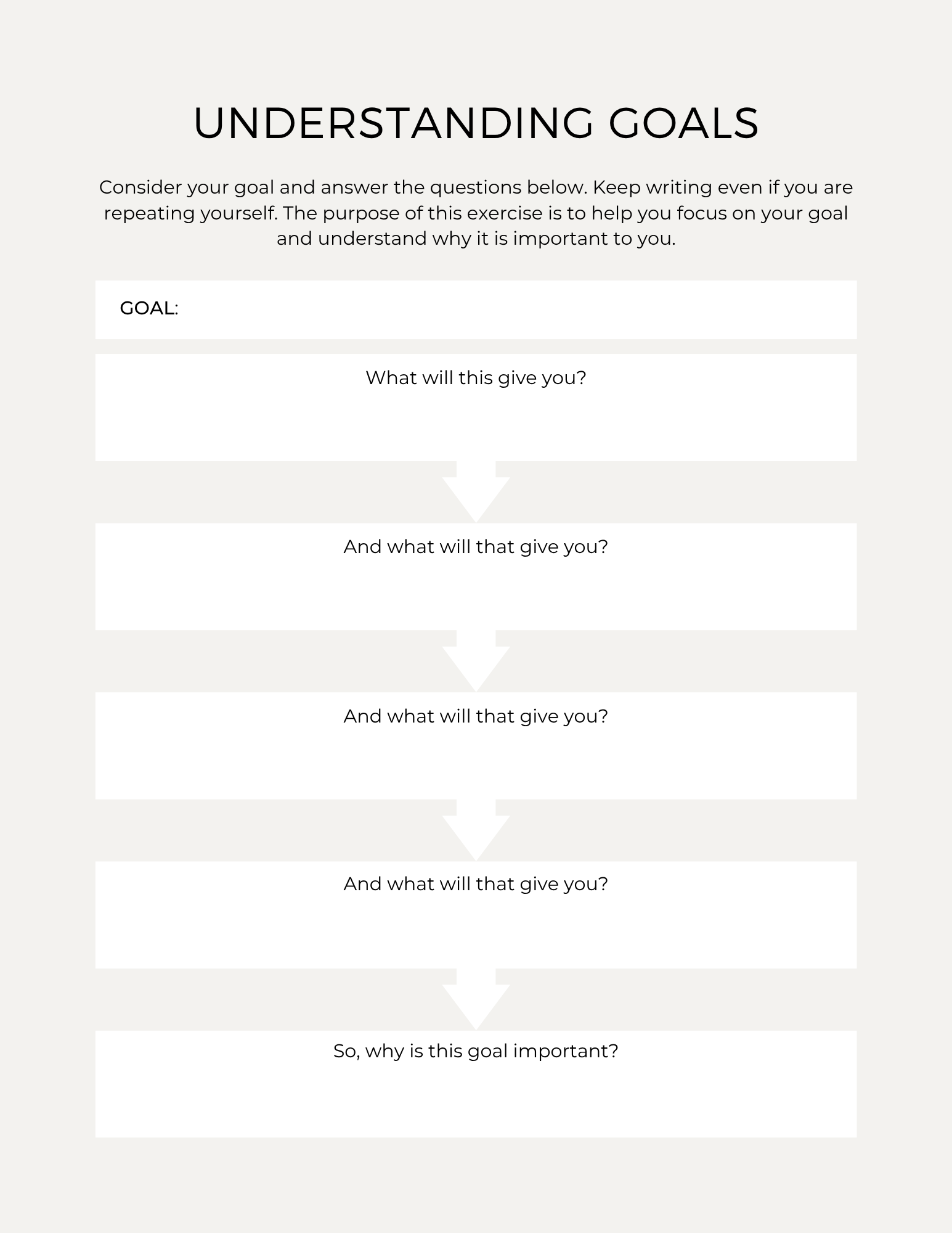
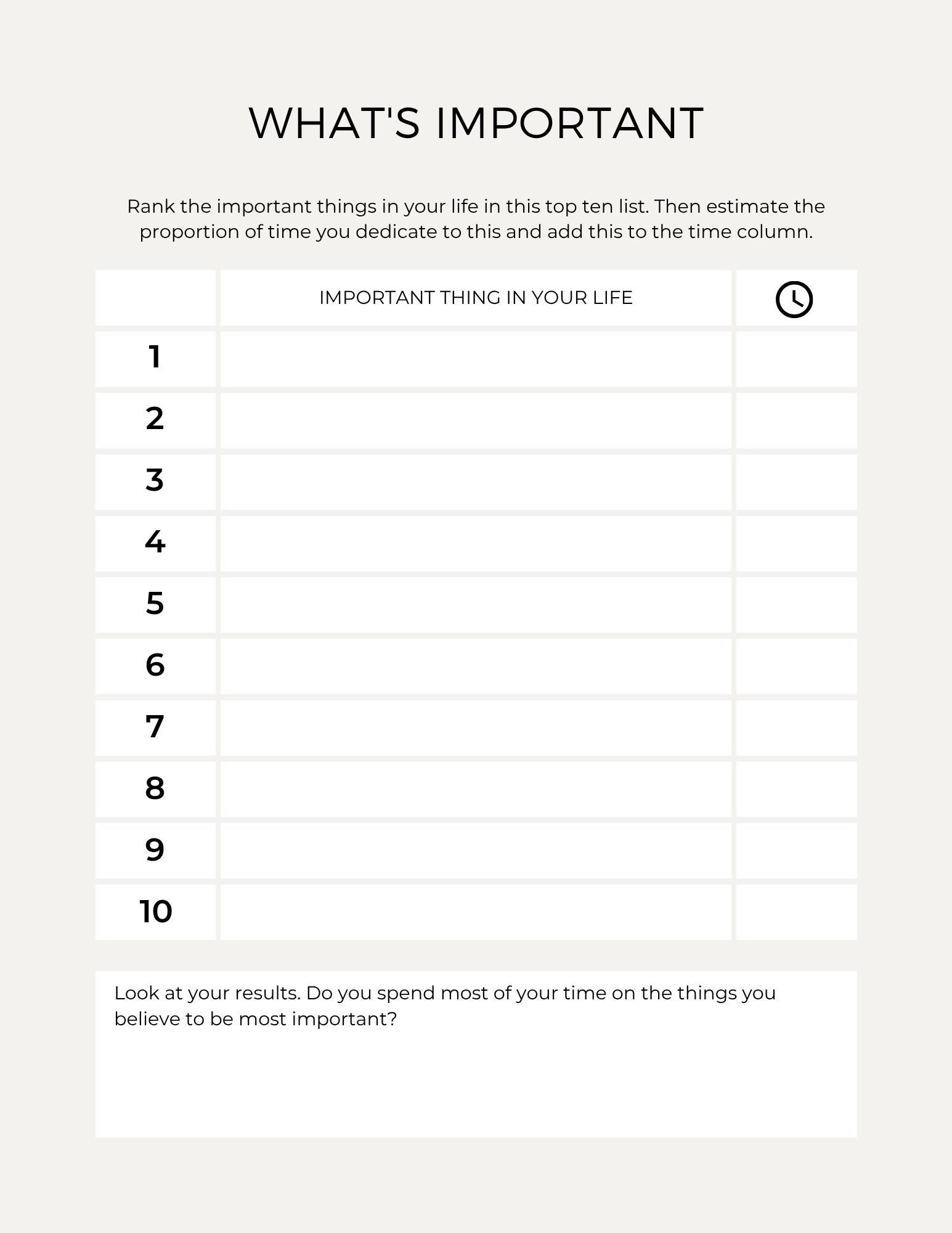
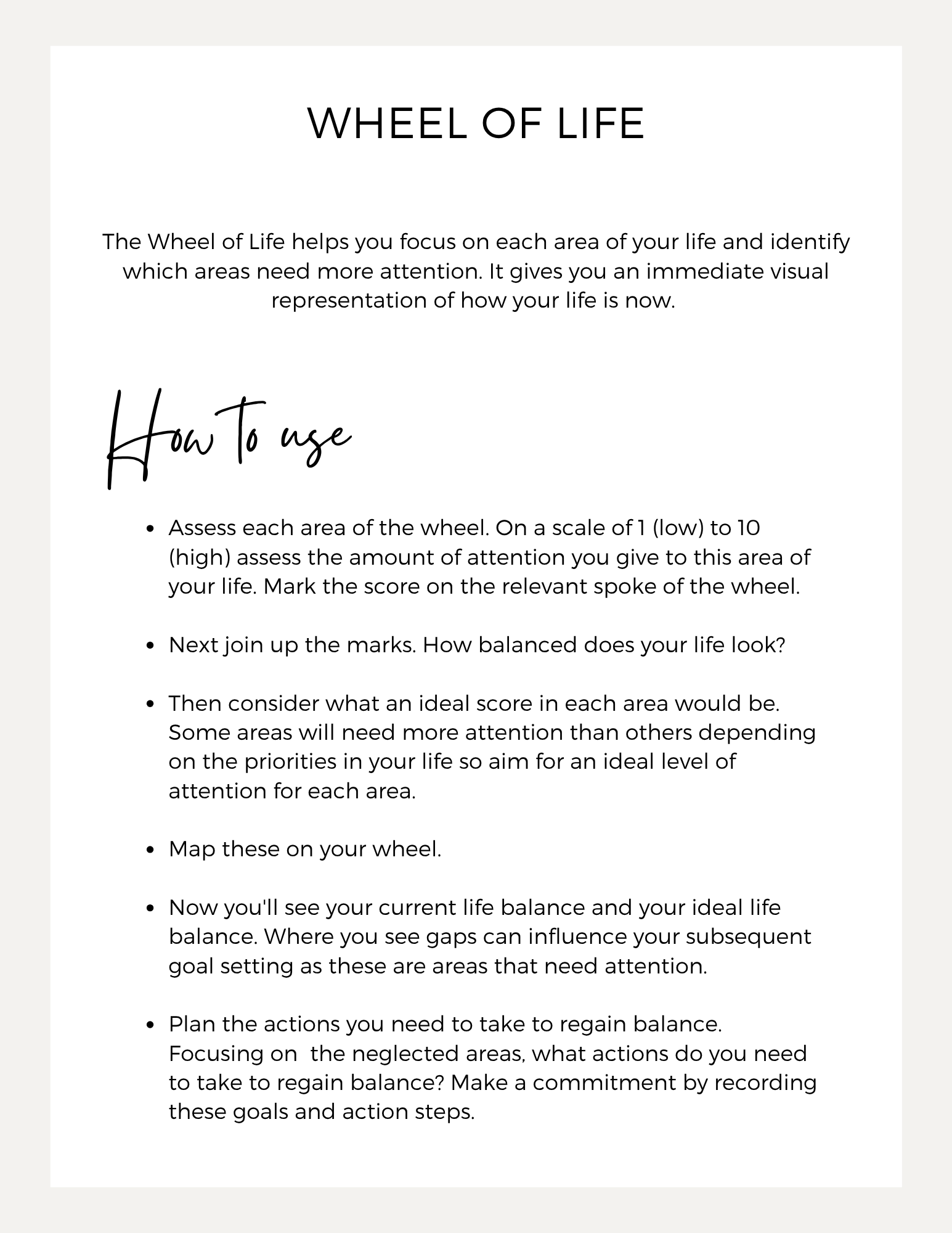
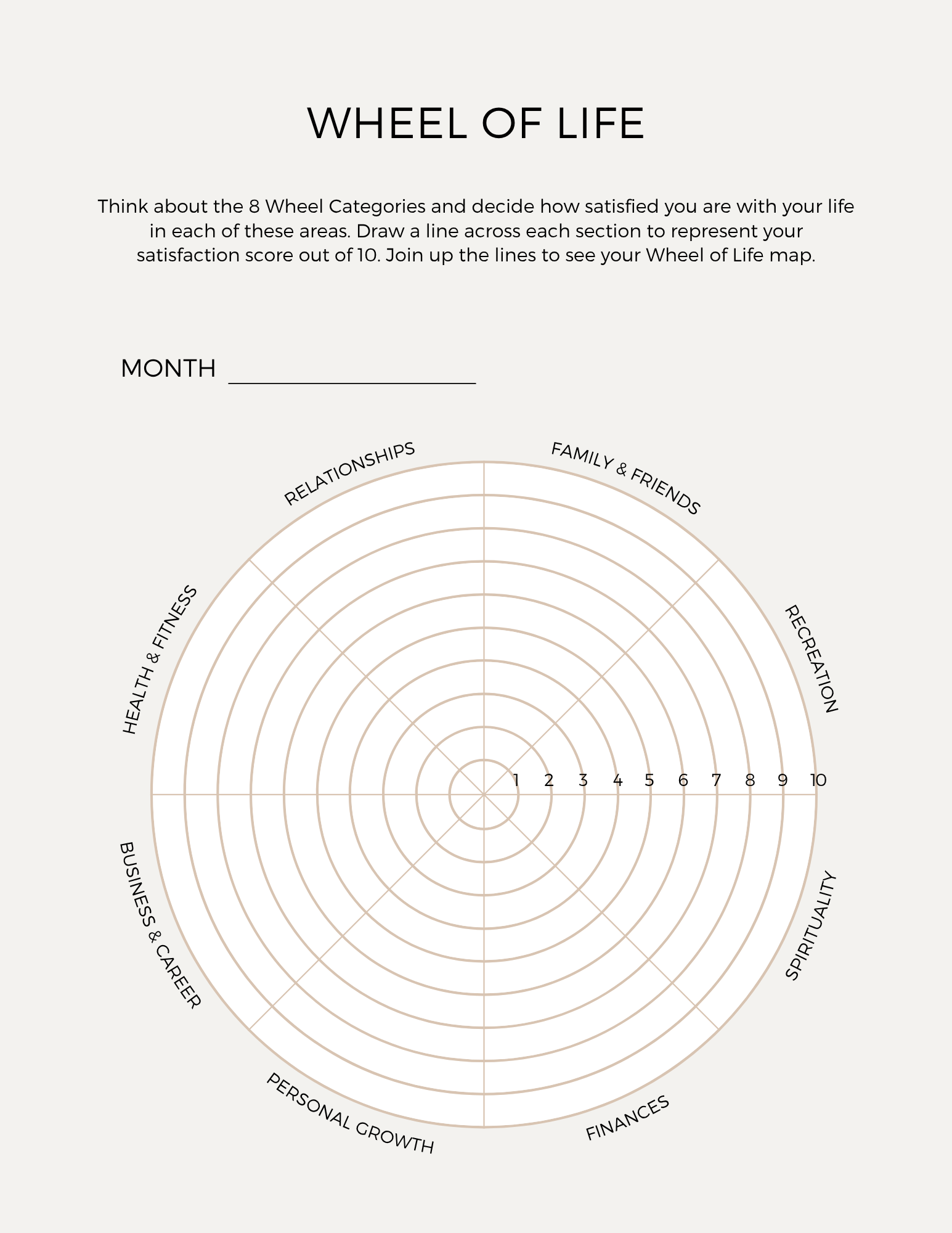
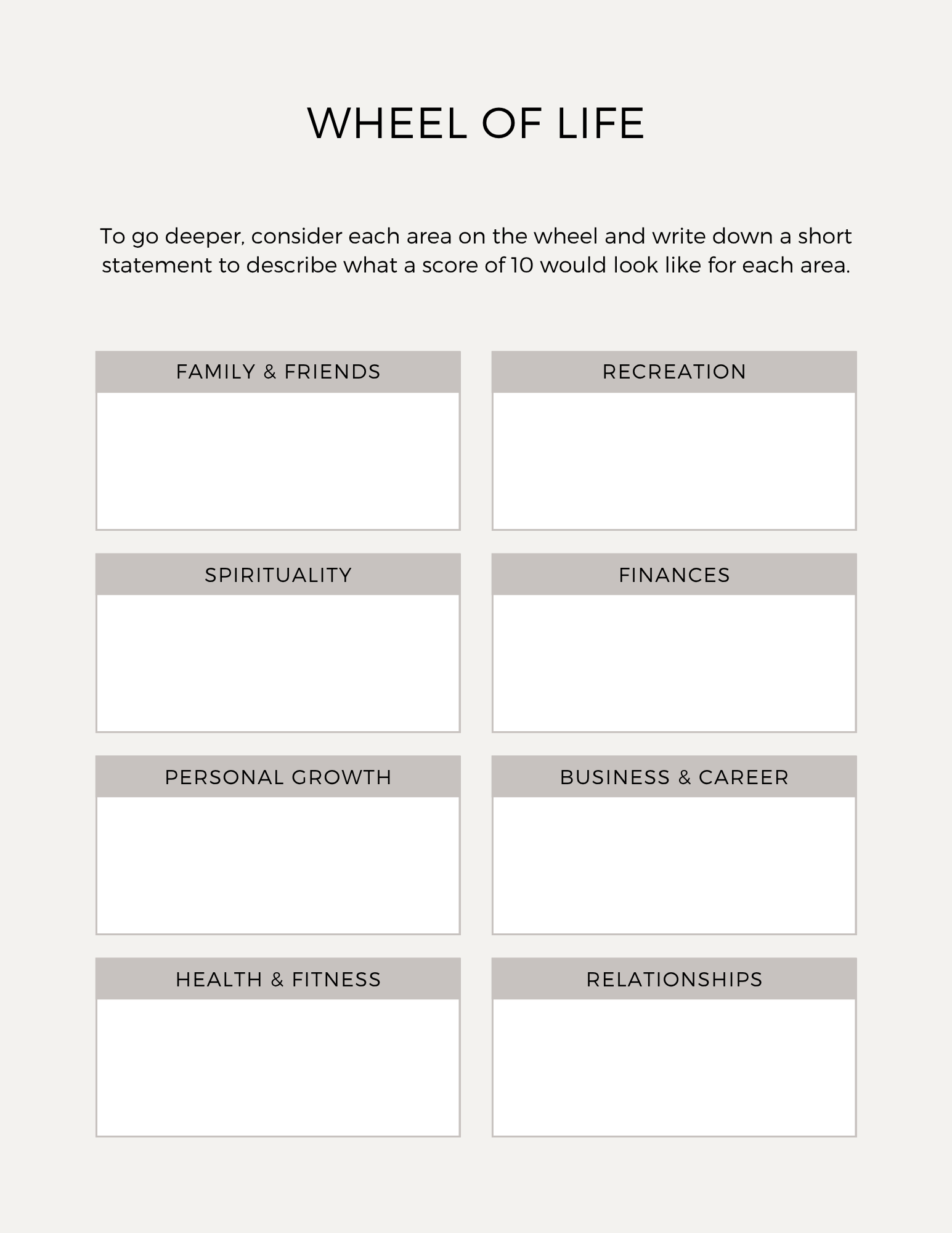
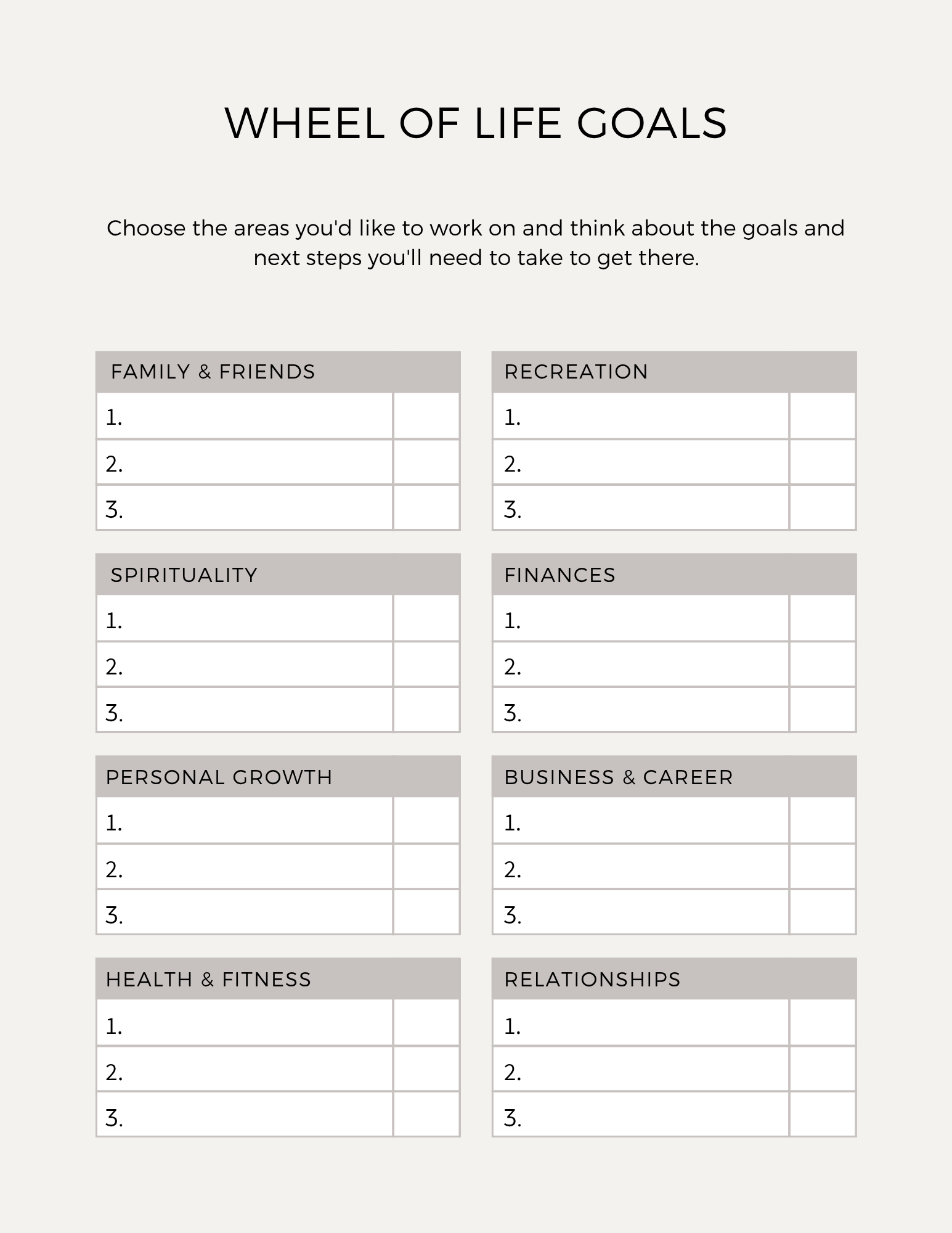
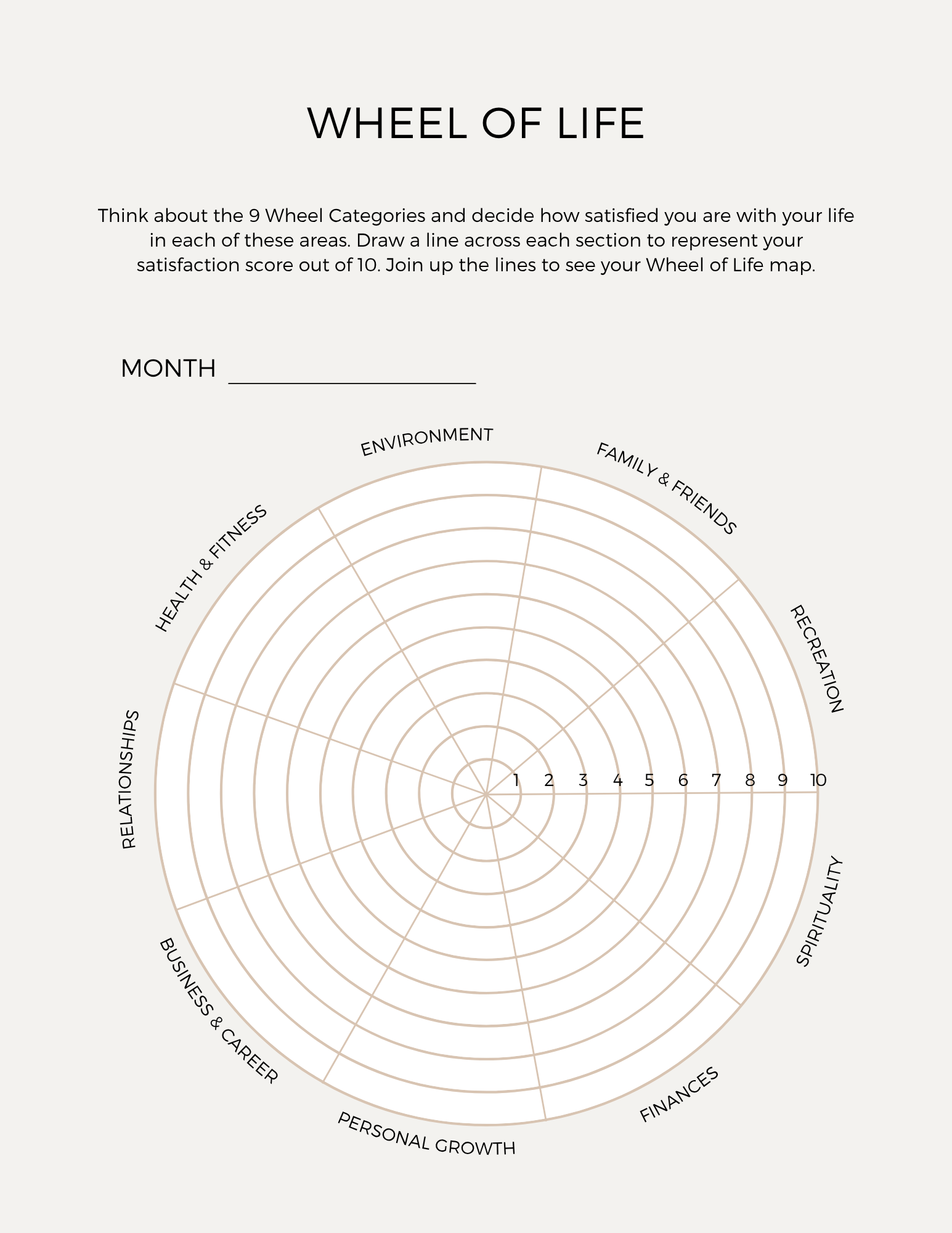
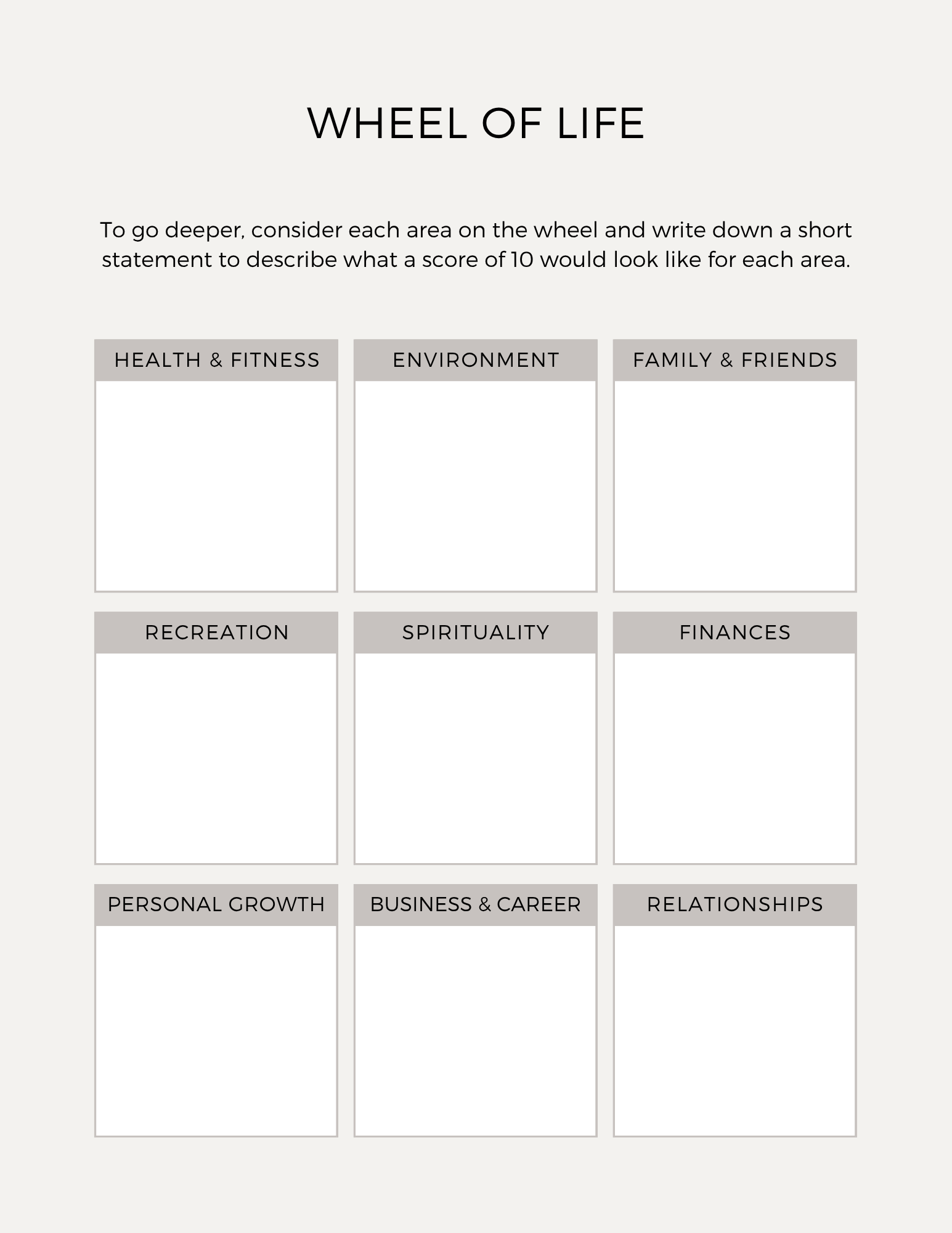
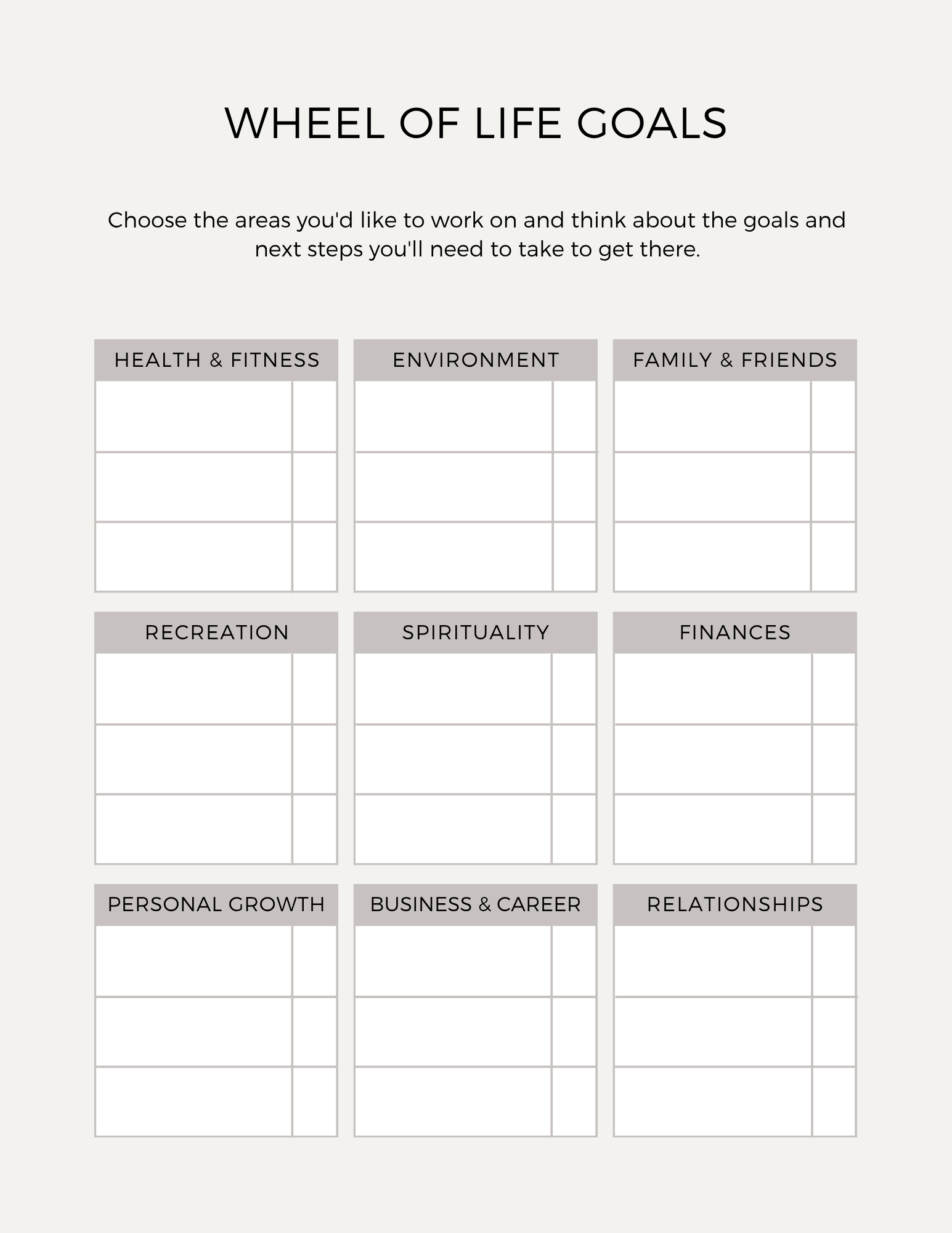
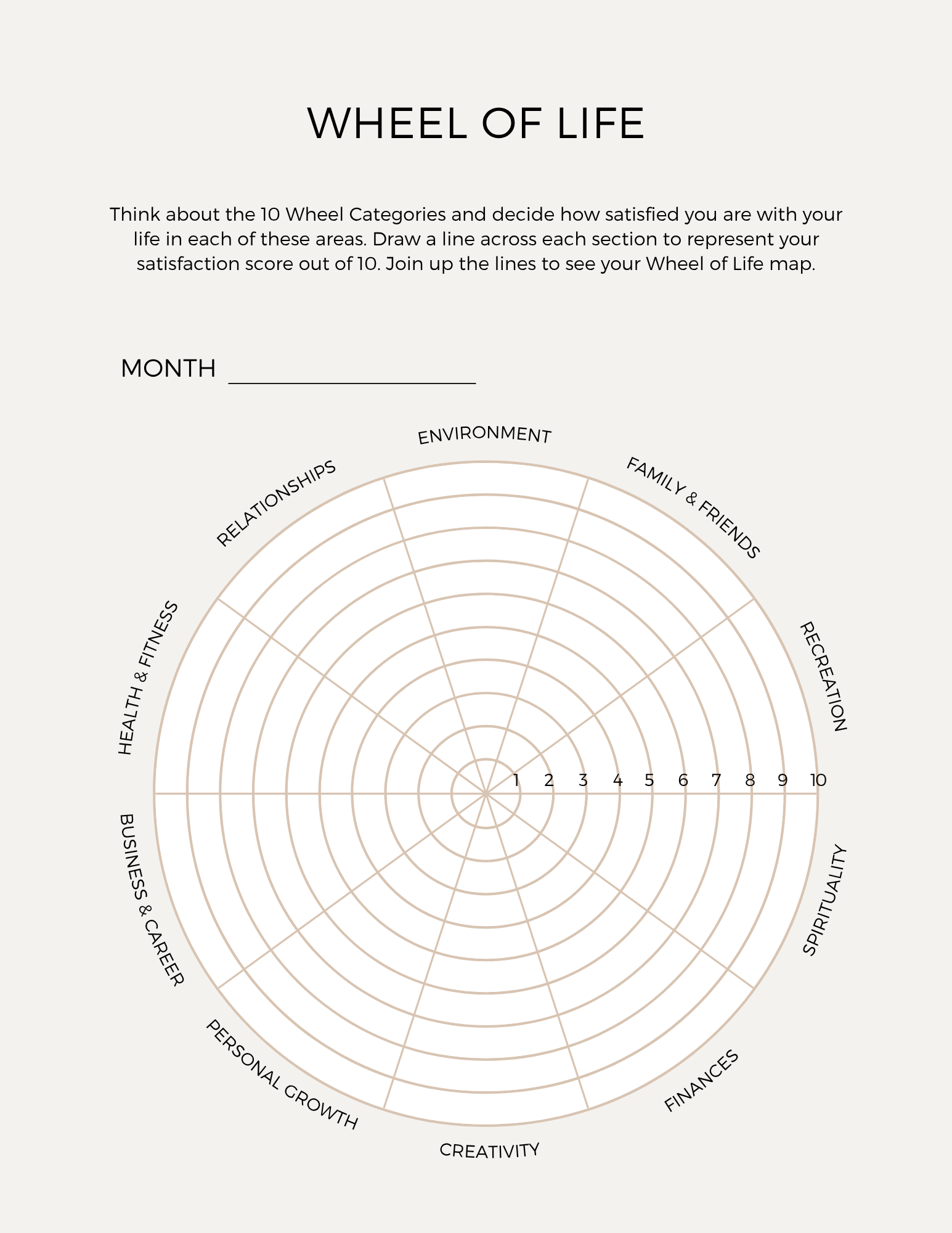
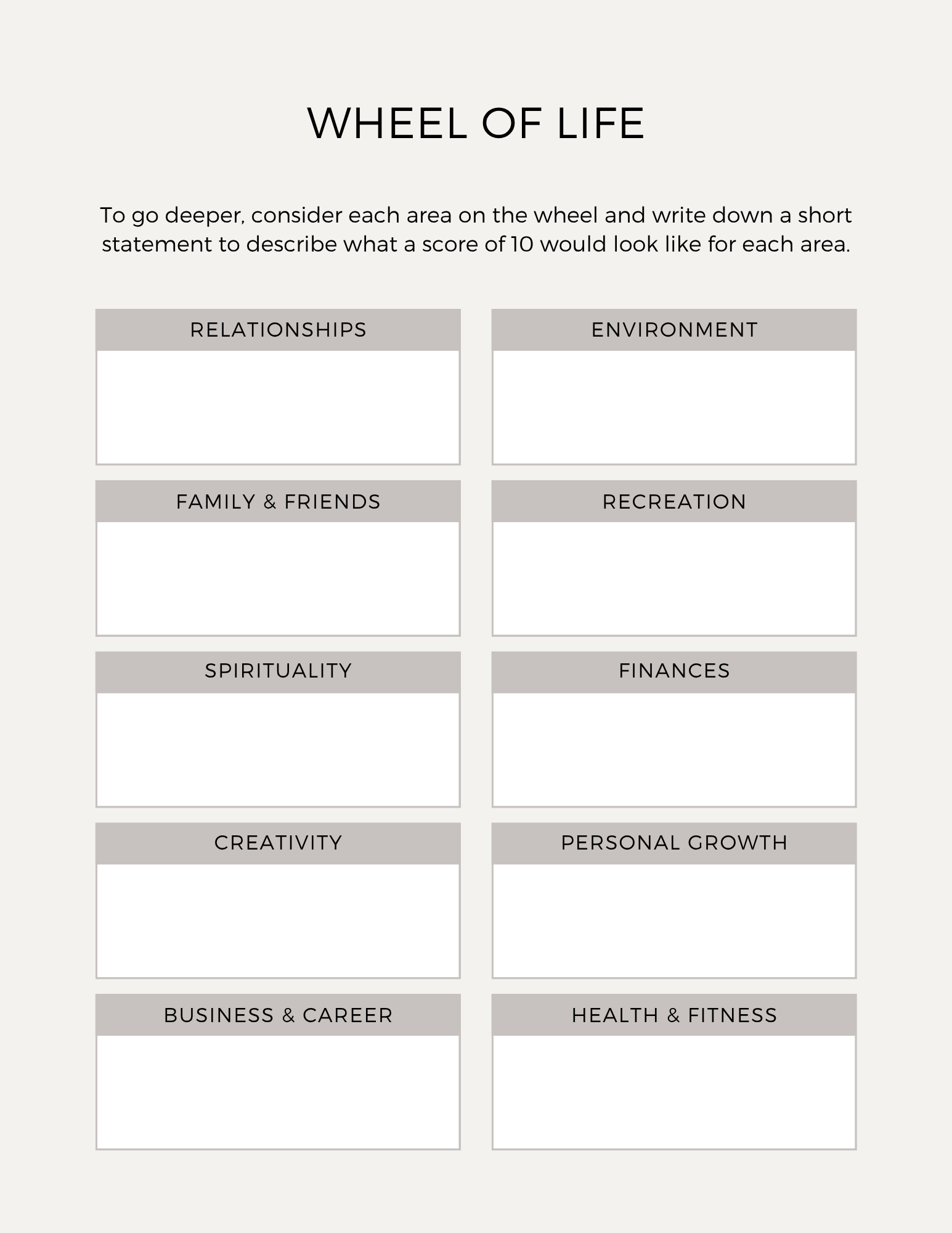
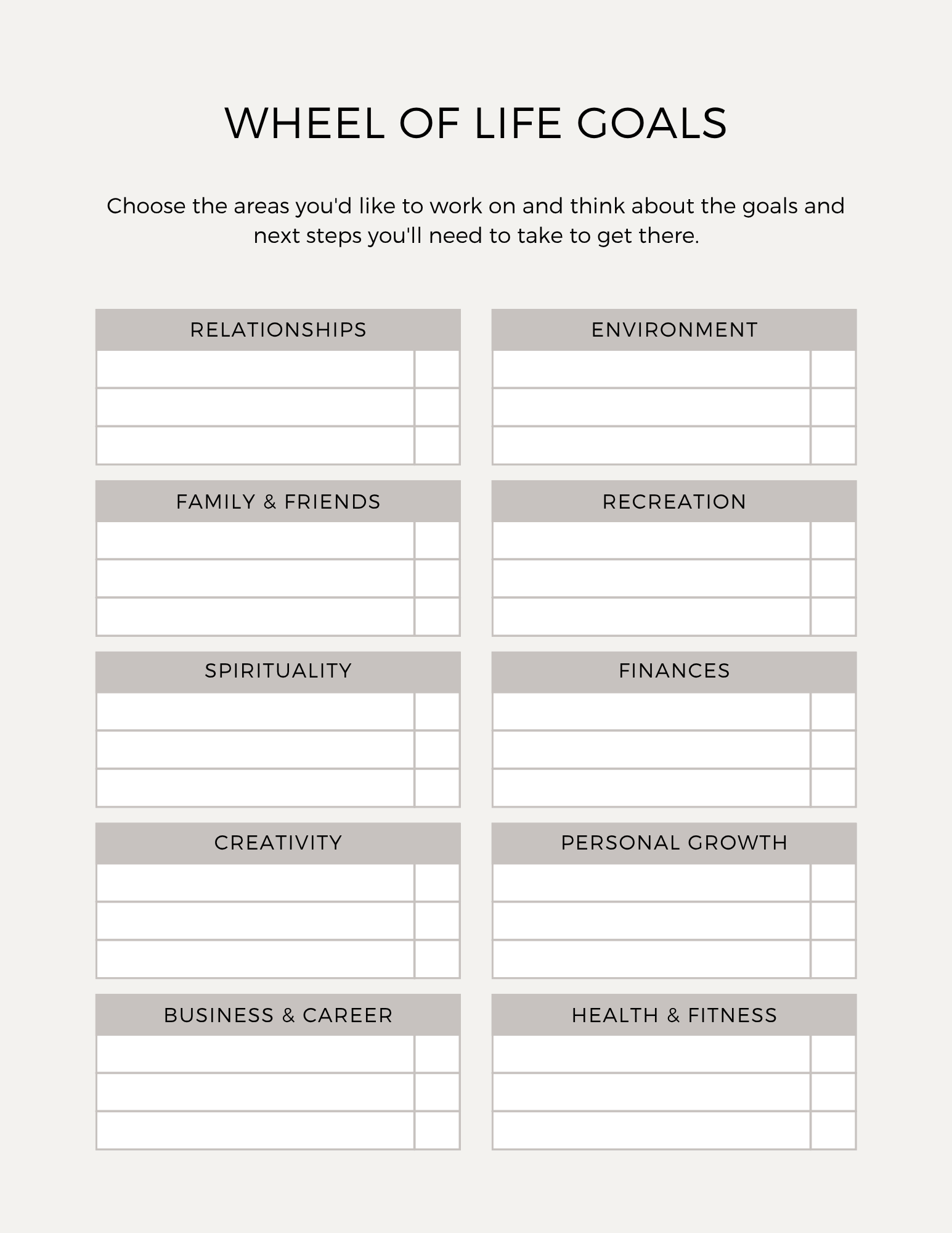
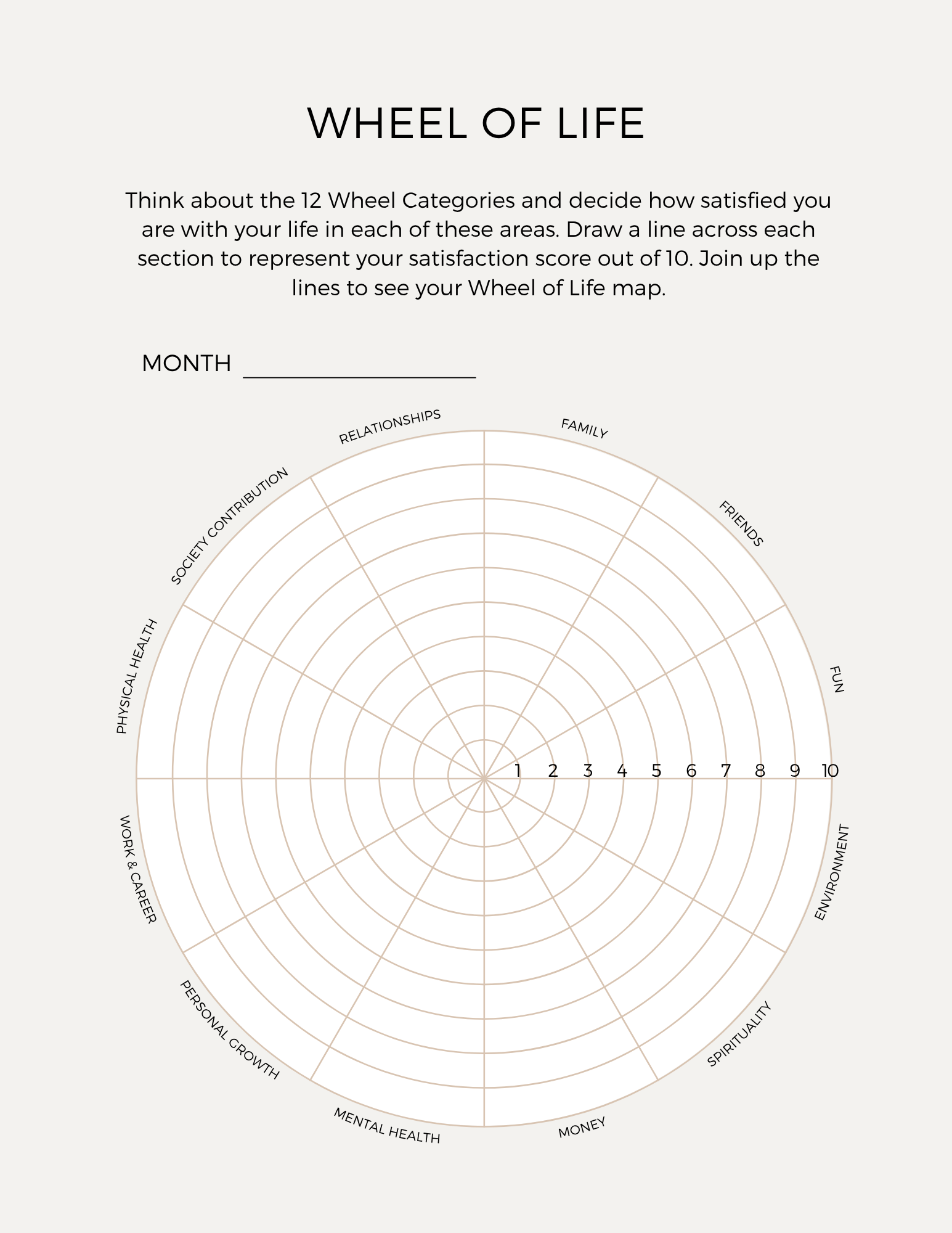
Below you will find a gallery of writing prompts to aid you in your journaling journey.


























Lets Talk Massage
Lets Talk Massage Styles
Massage therapy offers a wide range of techniques designed to support both relaxation and targeted healing. Swedish massage is the foundation of many treatments, using long, flowing strokes to increase circulation, reduce stress, and promote overall relaxation. Deep tissue massage works more slowly and with deeper pressure to release chronic muscle tension and adhesions, making it ideal for long-standing pain patterns. Trigger point therapy focuses on specific “knots” within the muscle that refer pain to other areas of the body, helping to relieve discomfort at its source. Sports massage blends several techniques to enhance performance, prevent injury, and support recovery, while pregnancy massage is a gentle, nurturing approach that helps reduce swelling, relieve lower back pain, and support the changing body during all stages of pregnancy.
More specialized techniques allow for highly targeted and therapeutic results. Okazaki deep tissue is a structured, clinical approach to bodywork that focuses on restoring balance through precise, intentional pressure and sequencing. Lymphatic drainage massage uses light, rhythmic movements to stimulate the lymphatic system, helping reduce inflammation, support detoxification, and improve immune function. PNF stretching (Proprioceptive Neuromuscular Facilitation) combines assisted stretching with muscle engagement to improve flexibility, mobility, and range of motion—making it especially beneficial for athletes and those recovering from injury.
Thermal and recovery-based therapies add another layer of healing. Hot and cold stone therapy uses temperature contrast to relax muscles, improve circulation, and reduce inflammation—warm stones soothe and loosen tissue, while cool stones can help calm swelling and irritation. Red light therapy is a non-invasive treatment that penetrates the skin at a cellular level, supporting tissue repair, reducing inflammation, and promoting overall healing. These therapies are excellent enhancements for both relaxation and recovery-focused sessions.
Body-focused treatments can also support skin health and physical contouring. Body scrubs exfoliate dead skin cells, leaving the skin smoother, brighter, and more receptive to hydration. Contouring techniques focus on stimulating circulation and breaking up stagnation in targeted areas, often supporting the appearance of smoother, more toned skin. CBD-infused treatments incorporate cannabidiol, known for its anti-inflammatory and calming properties, to help reduce pain, ease muscle tension, and promote deeper relaxation during your session.
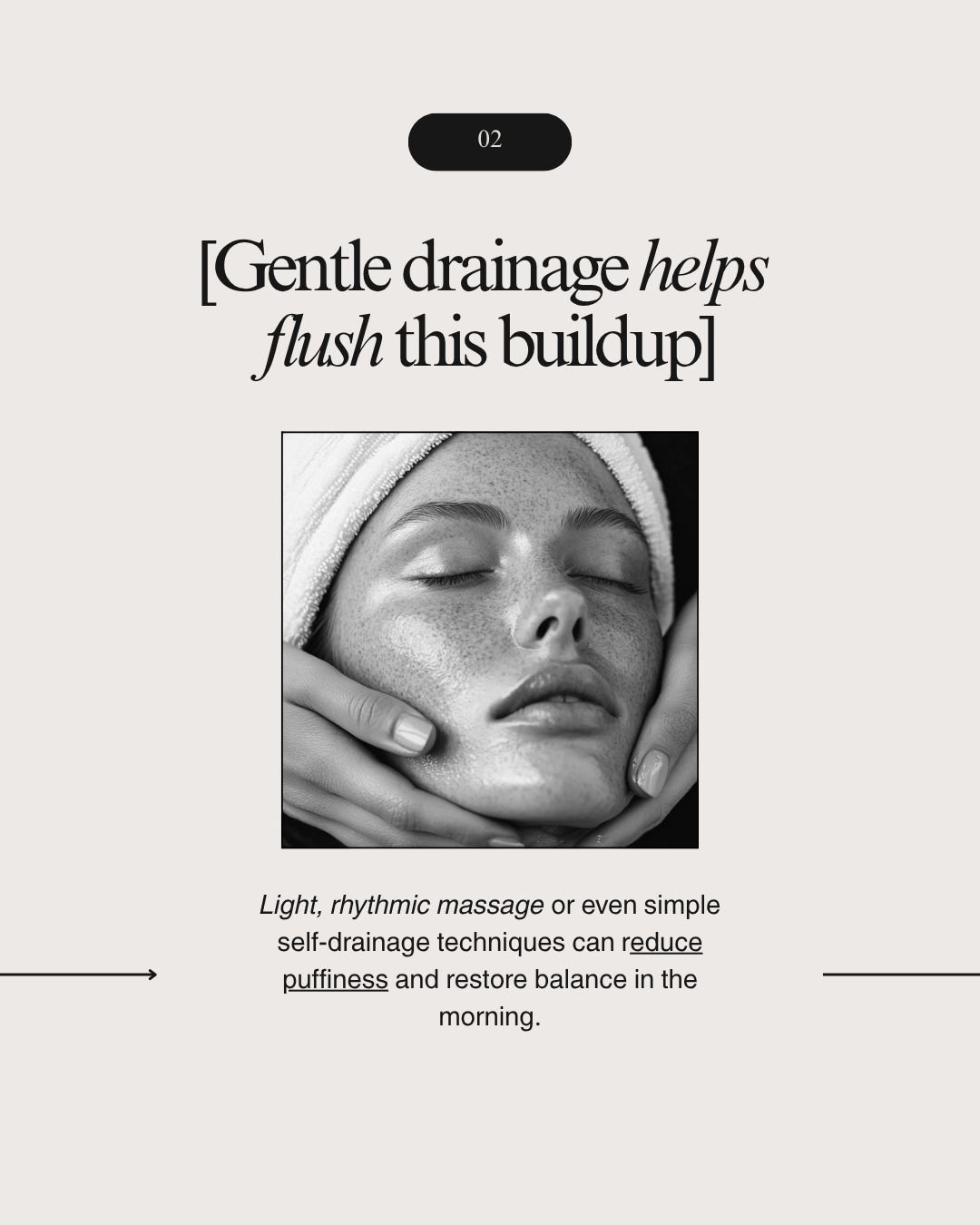
Finally, specialized treatments for the head, face, and jaw bring balance to often-overlooked areas of tension. TMJ massage focuses on the muscles of the jaw, face, and neck to relieve tightness, reduce pain, and improve function for those experiencing jaw discomfort or clenching. Facial massage combines gentle, soothing techniques with lymphatic stimulation to enhance skin tone, reduce puffiness, and promote relaxation. Together, these therapies create a comprehensive, customized experience—addressing everything from deep muscular pain to stress relief and overall well-being.